collection
By Michele Randall via Well Beings Share Your Caregiving Story
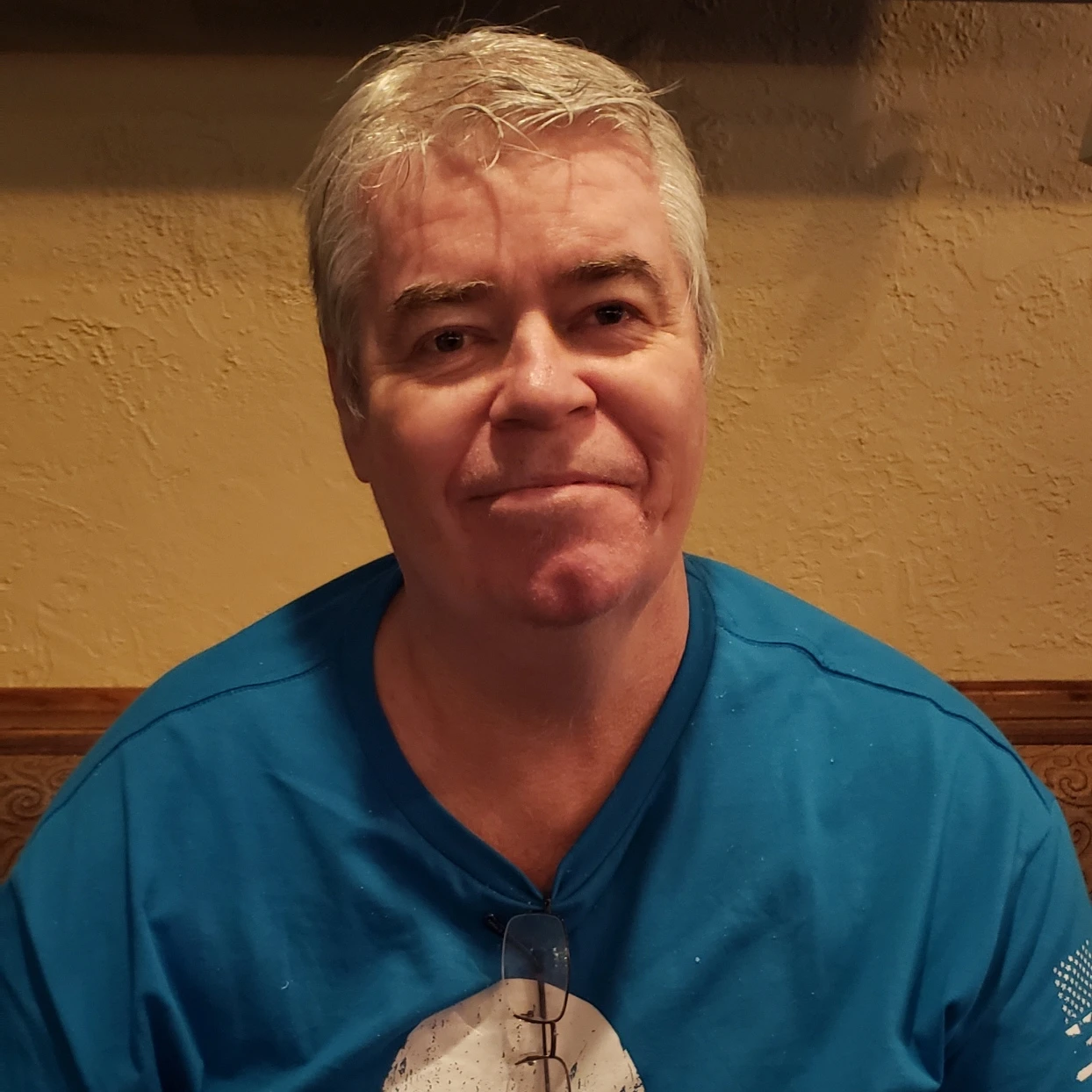
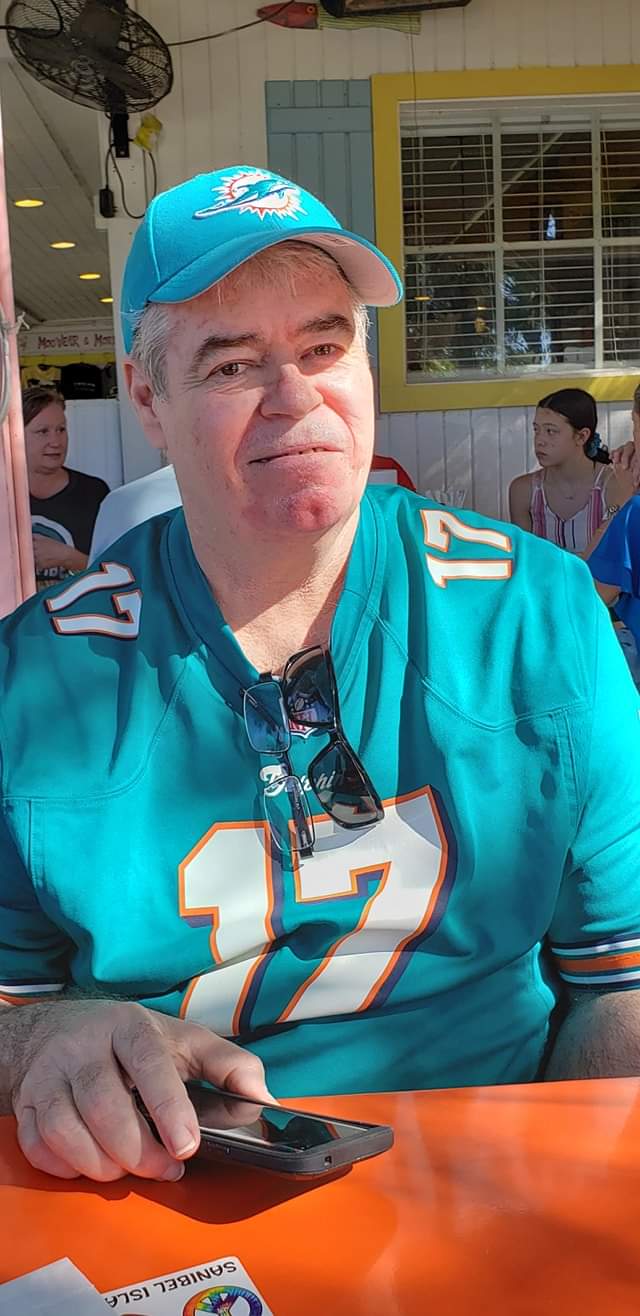
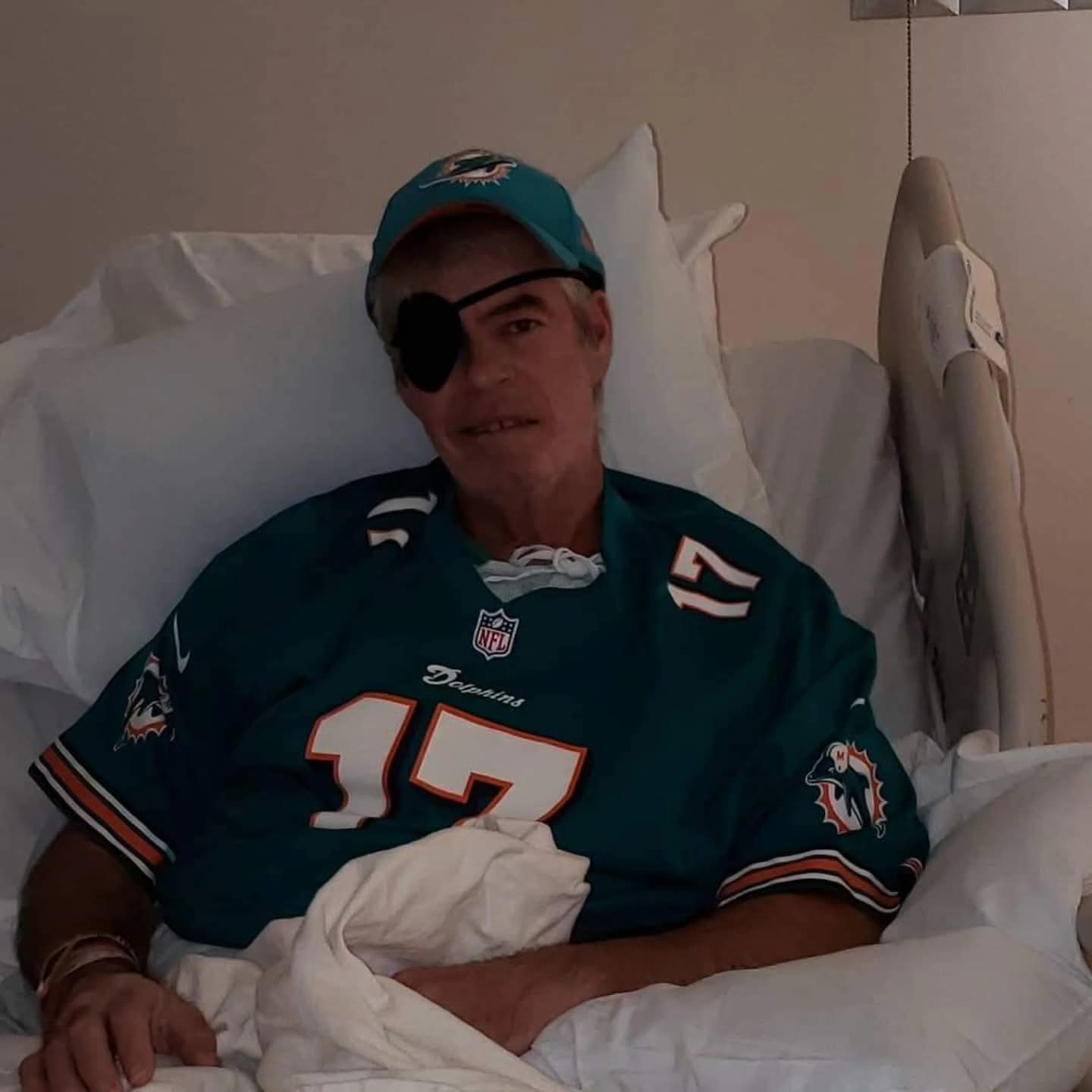
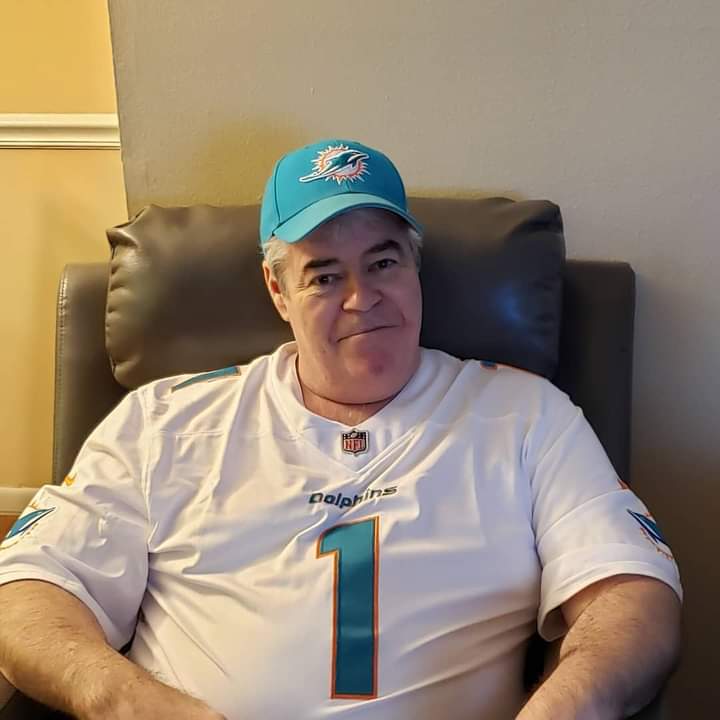

I became a full-time caregiver when I was 58 years old, back in 2018. My husband was 54 at the time when he suffered a hemorrhagic stroke. He was hospitalized and in rehabilitation for nine weeks. When he finally came home, he still could not ambulate to our bathroom alone, even with his walker. He was simply too weak.
I gave up my career as an award-winning television producer for Worldwide Business and Modern Living with Kathy Ireland to care for my husband, Rob. I continued working full-time from home for several years, earning significantly less, until last September when my own health forced me into early retirement. Rob suffers from epilepsy and vascular dementia, with left-hand and left-leg deficits. He cannot cut his own food, fully dress himself, bathe himself, or administer his 20 medications per day. He requires constant supervision.
As a result of years of caregiving, I now suffer from hypertension, depression, anxiety, and panic attacks. I have received only limited assistance from Greenville County, South Carolina, for home health services. Rob is currently 61 years old and is not eligible for Medicare. He was denied Social Security disability in 2018 because he was short 18 months of work credits. Not everyone who suffers a catastrophic, life-altering illness between the ages of 18 and 65 has enough credits to qualify.
I applied for in-home nursing care through the Healthy Connections Medicaid Waiver program in November 2024. The state of South Carolina has been in receipt of Rob’s medical records since June 17, 2025. To date, they have still not deemed him disabled. Until that happens, the Vocational Rehabilitation Division in Columbia cannot send a Medicaid nurse to our home to evaluate the level of care Rob needs and deserves. The backlog is long, and people are literally dying while waiting for approval.
When I initially wrote to you in July 2025, we were receiving home health care through a $2,000 voucher from the Appalachian Council of Government for Elder Care Services here in Greenville County. That voucher has since expired and will not be renewed. I later learned that due to the “Big Beautiful Bill” signed into law on July 4, 2025, Medicaid federal funding was cut off immediately—not in 2027 as I had originally believed. The home health agency that cared for Rob for a year advised me that funding for the Medicaid Waiver program is now solely dependent on individual states, further delaying approvals.
Our Affordable Care Act insurance through Blue Cross Blue Shield of South Carolina has increased 630 percent, placing an enormous financial burden on us. Even with insurance, Rob’s medications cost us $710 last year. He takes 20 mostly life-sustaining medications daily and cannot administer them himself due to his dementia and physical limitations.
Over the last seven years, I have consistently lost income while working from home. We have depleted $110,000 in savings—not including lost wages. My sister has taken over my car payments. I was unable to work at all in 2025 while recovering from my second hip replacement surgery. I joined the AARP Back to Work 50+ program to update my résumé so it could get through AI applicant tracking systems, and I currently have an interview for part-time remote administrative work. Fingers crossed.
My own health has suffered greatly. I was rushed to the emergency room in 2023 with extreme edema and placed on stroke protocol prevention for seven hours. I had spinal surgery in 2017 and cannot sit for eight hours a day. The edema raises my blood pressure and limits my ability to work outside the home. I cannot leave Rob alone.
To my knowledge, there are currently 63 million unpaid caregivers in the United States who provide an estimated $873.5 billion in services annually. I should have been compensated long ago. My goal was to take the state-required 75-hour course to become Rob’s paid caregiver, but I cannot do so until he is deemed disabled by the state. After seven years of caregiving, I could likely teach the course myself.
Rob does qualify for hospice care. His primary care physician is prepared to write a letter to Blue Cross Blue Shield, but because Rob is not yet Medicare age, we cannot afford the 20 percent copay. The Medicaid Waiver program remains our only hope, yet there is no timeline for his disability determination. I wrote to our state senator to ask whether funds for the 2026 Medicaid Waiver program had been exhausted. I never received a response.
Our family set up a GoFundMe for us at Christmas. We raised $1,000, which we are deeply grateful for—it helped cover our monthly deficit for two months. Rob’s wheelchair, purchased in 2021, has been discontinued. One of the large removable wheels is broken and cannot be replaced. Without both wheels, I can only push him short distances. A new wheelchair costs $600, which we cannot afford.
Rob was once 6’2” and 220 pounds before his stroke. He exercises every day, but his mobility will never be what it once was. He is now 6’1” and weighs 282 pounds, largely due to the effects of his medications. I contacted Hearst Media, which owns the local NBC affiliate, to share our story and raise awareness for other families like ours. They never replied.
I am a proud person who never asked for help until late 2024. I once believed asking for help was a sign of weakness. I have since rethought that belief. I am no longer ashamed to say that we need help.
My husband is the love of my life and my labor of love ❣️. I will be 66 years old in March. Like so many other caregivers, I feel that our government has abandoned us. It is not fair that these circumstances have cost me my physical health, financial security, and emotional well-being—especially when caregivers like me save our government billions of dollars every year by caring for our loved ones at home.
I hope this series can help us, and countless other caregivers and families like ours.
Kind regards,
Michele Randall
Use #WellBeings and #ShareYourCaregivingStory on your social media posts to share your story.
Or DM your story to us on these social media platforms:
Send your story directly to us bit.ly/WellBeingsStoryWallSub.
Or Email us content to info@wellbeings.org.
WellBeings.org is a health and wellness resource, not a crisis or suicide response website. If you are in crisis, or experiencing thoughts of suicide, please call or text the 988 Suicide & Crisis Lifeline at 988 or the LGBT National Hotline at (888) 843-4564. The service is free and available 24 hours a day, seven days a week.