collection
Brought to you by

Black History Month is a chance to recognize that the journey toward health cannot be separated from the struggles and successes of Black Americans. As a project of WETA and public media, we believe that true well-being requires an understanding of our shared history. It also demands an unwavering commitment to health equity for all.
This curated collection of PBS videos honors the profound contributions of Black trailblazers and explores the vital connection between racial justice and holistic wellness. From the lessons of the past to the innovations of the present, these stories highlight the resilience of the Black community and serve as a powerful reminder that fostering a more just and equitable society is essential to the collective wellness of our nation.
This collection of videos from PBS Origins addresses different facets of Black history, providing context for how the United States arrived at this moment of political and racial unrest. Our hope is that these videos will serve as a useful jumping-off point for those who want to learn more. We encourage you to explore the works cited section in the description of each video for further resources.
Great Migrations: A People on the Move explores the transformative impact of Black migration on American culture and society. From the waves of Black Americans to the North, and back South, over the last century, to the growing number of immigrants from Africa and the Caribbean today, the film shows how movement is a defining feature of the Black experience.
The Red Summer of 1919 was one of the most volatile periods of our nation’s history, but one of the lesser-known stories is how, in the midst of some of the country’s worst racist violence, Black people fought back.
How the White Citizen Council, a southern segregationist group, exploited Black Southerners and took action to slow the growth of the civil rights movement.
The second wave of the great migration saw people not only traveling north but increasingly West, which provided a different flavor of freedom.
The 1967 Detroit uprising was one of the most violent of the 20th century, and it was rooted in a series of grievances, first and foremost, persistent police harassment.
Housing had always been inadequate in the Northern Black neighborhoods of the Great Migration but there were even more sinister forces at work: government policies that sought to keep neighborhoods segregated by race – or destroy Black neighborhoods altogether.
In 1924 the U.S. passed its most restrictive and biased immigration laws in history. Despite restrictions, a number of Africans were sent to the U.S. temporarily for education in the 1930s, 40s, and 50s. They often attended HBCUs where they had meaningful exchanges with African Americans.
In the 1970s, backlash against affirmative action was in full swing, driven by a growing sense that the nation had done enough to redress centuries of racism. Yet racism was still a factor in American life, and, despite the progress, many African Americans were still struggling.
In the 1970s, backlash against affirmative action was in full swing, driven by a growing sense that the nation had done enough to redress centuries of racism. Yet racism was still a factor in American life, and, despite the progress, many African Americans were still struggling.
On August 29, 2005, Hurricane Katrina devastated New Orleans. Nearly 100,000 people found themselves stranded without food or shelter, revealing the deep vulnerability of the poorest black communities. The disaster was compounded by the government’s slow response and relief efforts were hampered by media reporting of crime sprees.
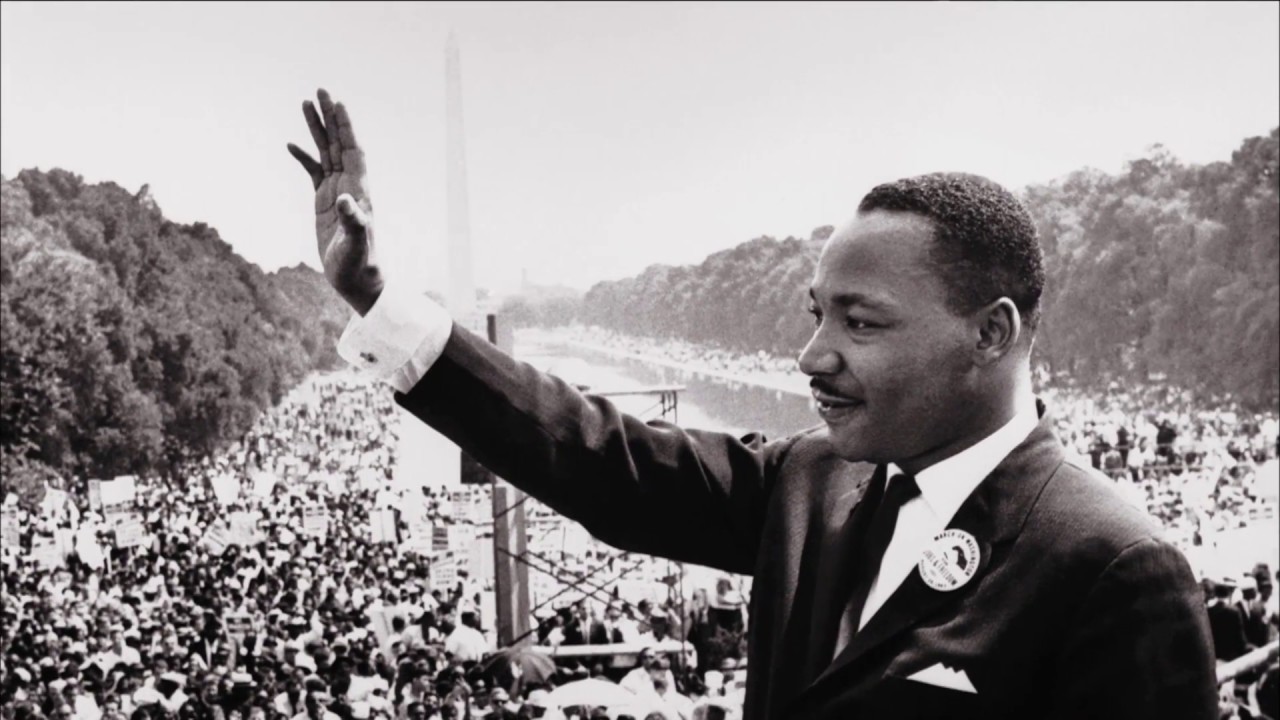
Witness the deep impact the March on Washington had both on the nation and on Jackie Robinson and his family, who traveled to attend. From the Ken Burns film Jackie Robinson
This episode looks at the idea of the “Black Metropolis” – a Black city within a larger city – and explores the black businesses, churches and entertainment of Harlem.
Since President Trump returned to the White House, he’s issued executive orders that target diversity, equity and inclusion initiatives, dismantling decades of federal anti-discrimination policy. This Black History Month, John Yang explores the origins of DEI in America for our “Hidden Histories” series and Ali Rogin speaks with Shaun Harper of the USC Race and Equity Center for more.
PBS is celebrating Black History Month by throwing a Block Party! Throughout the month of February, stream new and beloved programs celebrating Black excellence. Whether it’s history, music, documentaries, science or genealogy, PBS is your destination. Join the party at pbs.org/blockparty
Join Tarriona “Tank” Ball on a journey to explore how rituals across the American South reveal complexities of the past and new possibilities for the future.
Hosted by Harini Bhat, PharmD., In the Margins is a series that covers the history you may not have learned about in school, exploring obscure, yet captivating tales that offer unique insights into their time and place.
American Coup: Wilmington 1898 tells the little-known story of a deadly race massacre and carefully orchestrated insurrection in North Carolina’s largest city in 1898. Stoking fears of “Negro Rule,” self-described white supremacists used intimidation and violence to destroy Black political and economic power and overthrow Wilmington’s democratically-elected, multiracial government.
For more than a decade, renowned Harvard scholar Henry Louis Gates, Jr. has helped to expand America’s sense of itself, stimulating a national conversation about identity with humor, wisdom, and compassion. Professor Gates has explored the ancestry of dozens of influential people from diverse backgrounds, taking millions of viewers deep into the past to reveal the connections that bind us all.
WellBeings.org is a health and wellness resource, not a crisis or suicide response website. If you are in crisis, or experiencing thoughts of suicide, please call or text the 988 Suicide & Crisis Lifeline at 988 or the LGBT National Hotline at (888) 843-4564. The service is free and available 24 hours a day, seven days a week.