Growing up
Born Into Caregiving
Christy Sheetz doesn’t remember a version of her life before caregiving. Her mother lived with severe multiple sclerosis. Her older sister, Kathy, was born with a profound developmental disability, non-verbal, and in need of full-time care for nearly every part of daily life. By the time Christy was old enough to understand what her family needed, she was already part of how it got done.
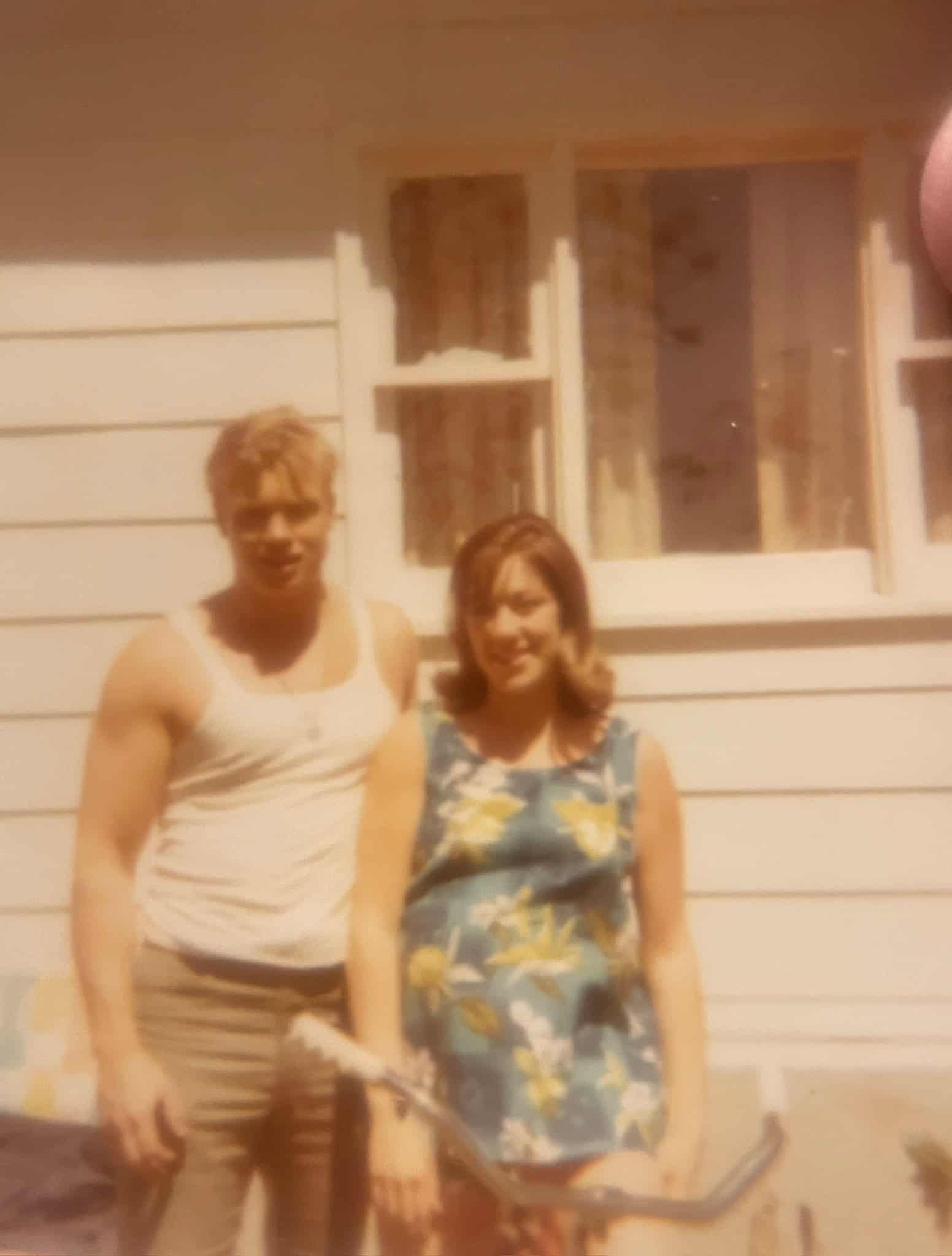
Her parents had married young. They built an ordinary life first — a house, a family — before either illness had fully shown itself. What came after asked more of all of them than anyone could have planned for.
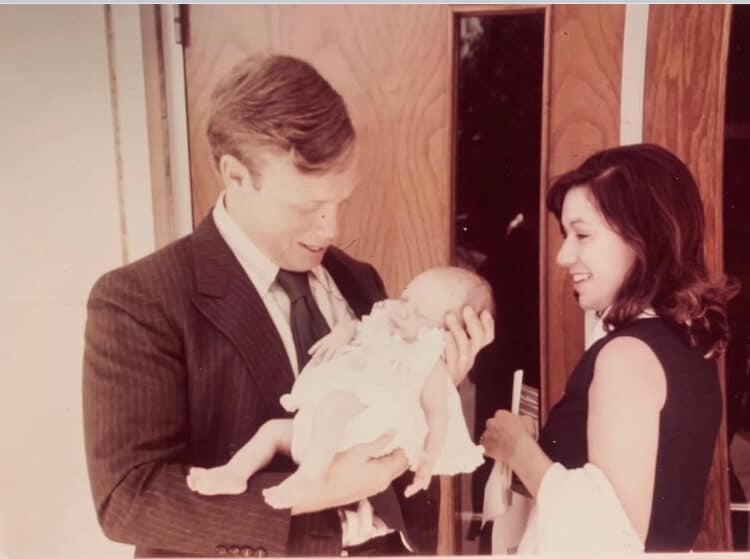
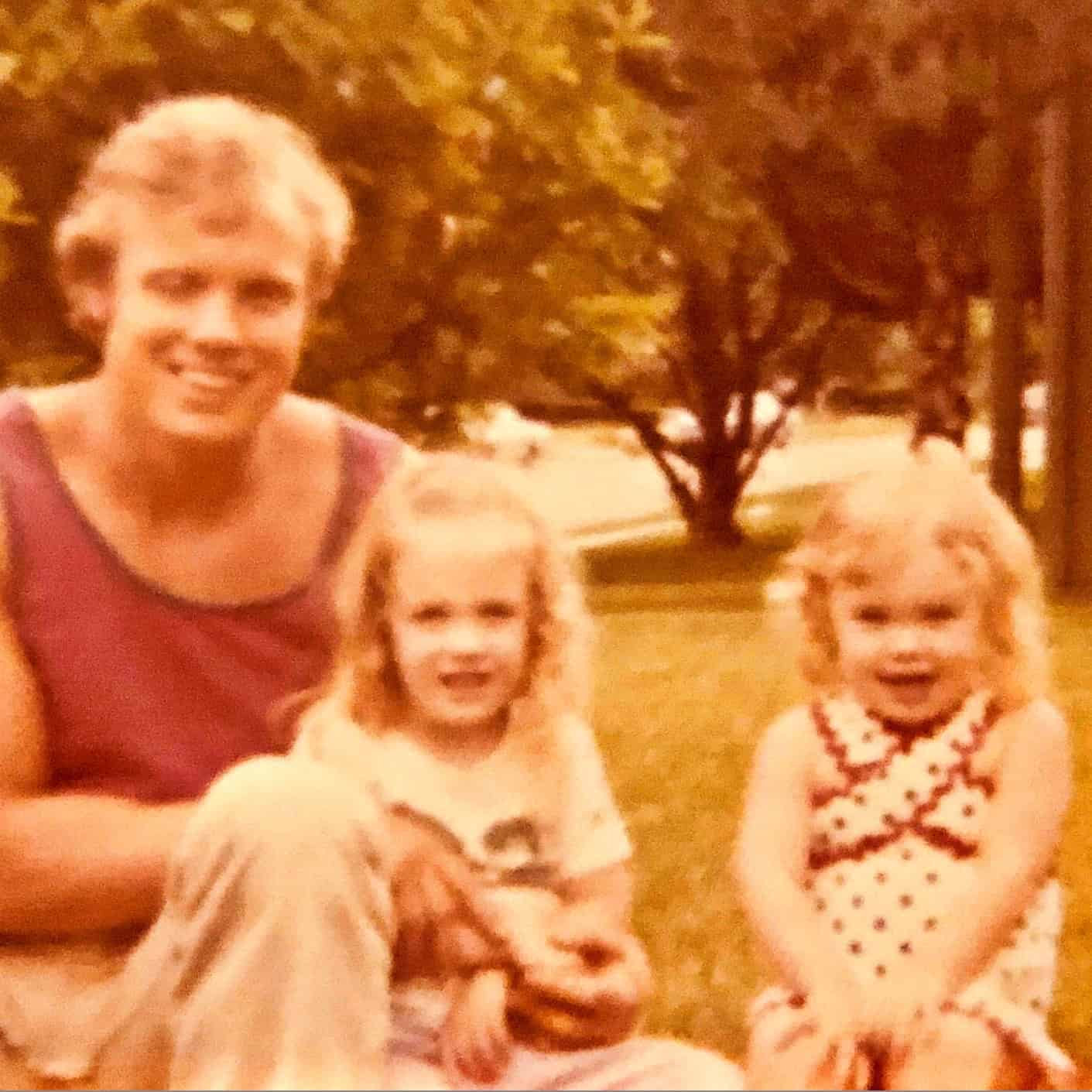
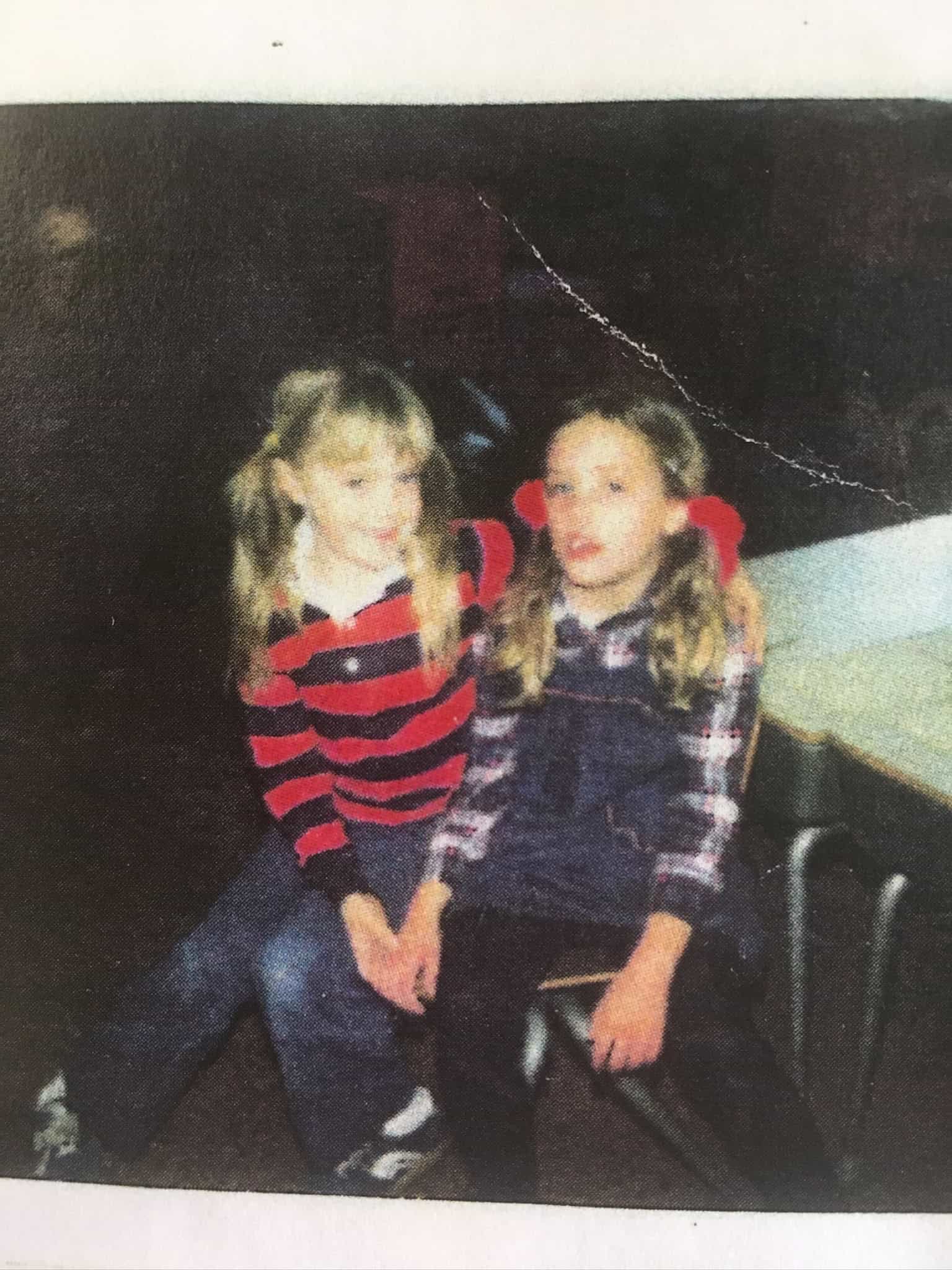
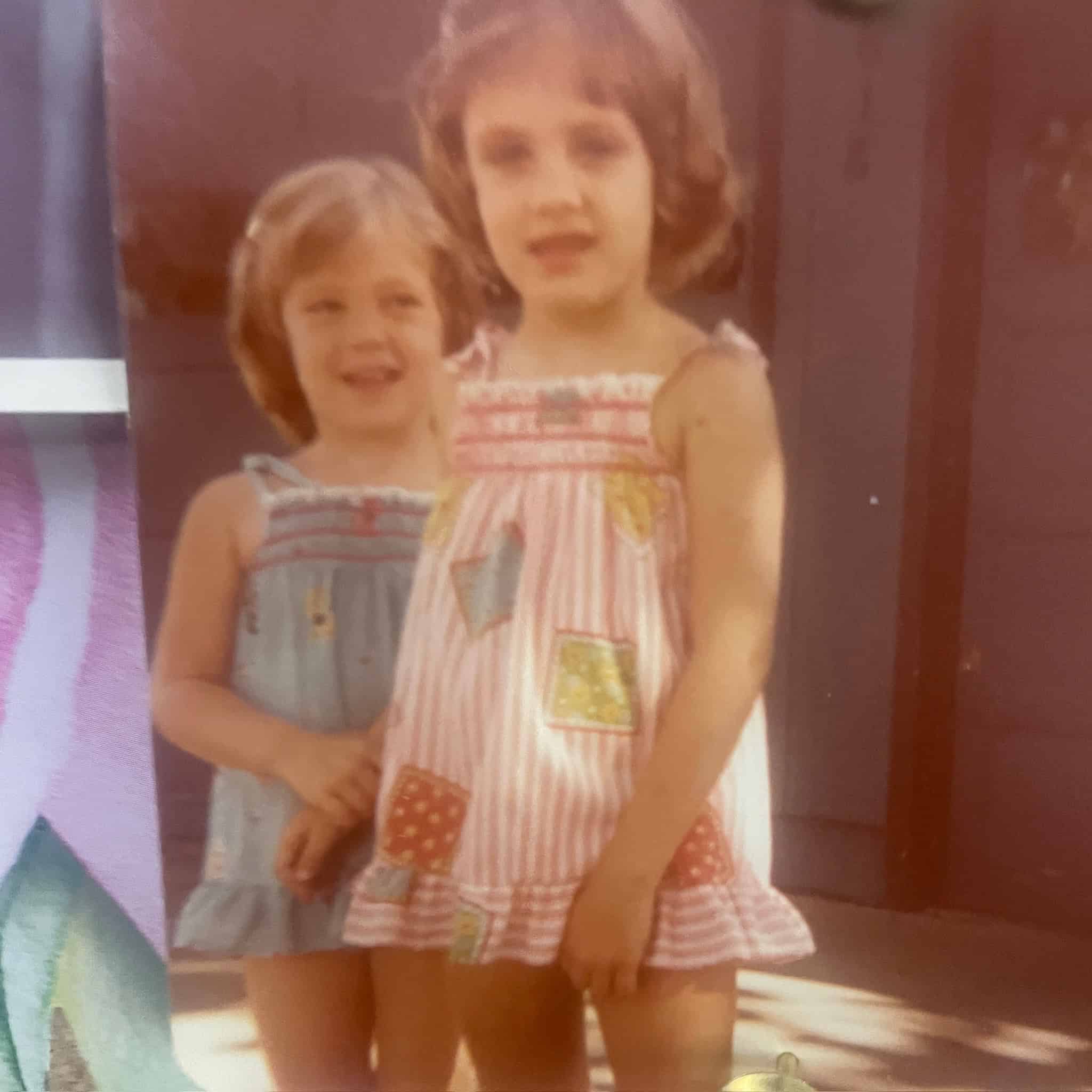
Christy and Kathy grew up close, in the way sisters do even when one of them needs a different kind of care than the other. Christy’s childhood ran alongside her sister’s therapies and her mother’s declining mobility. Ordinary school days and family photos threaded through with a level of responsibility most kids never have to carry.
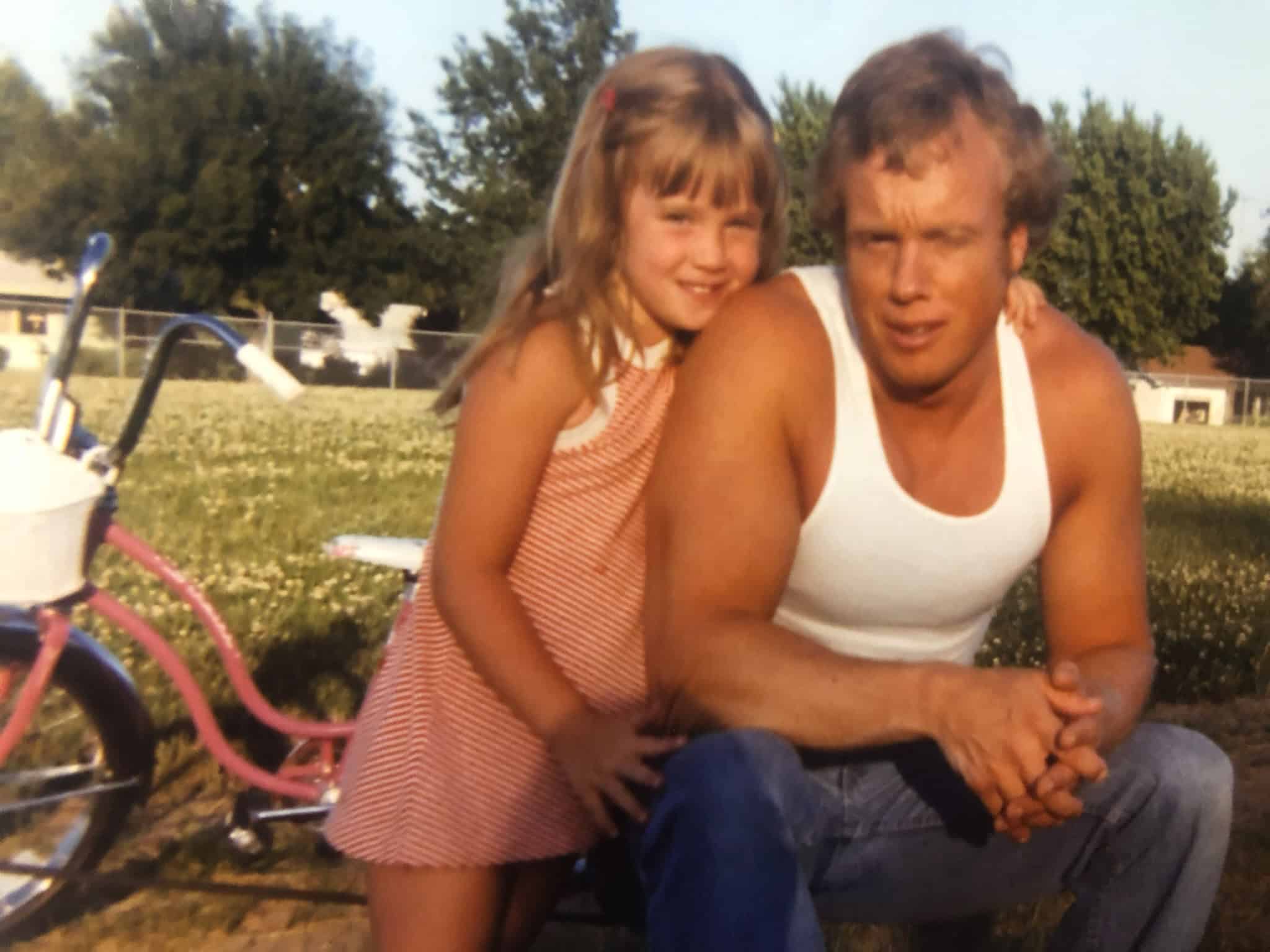
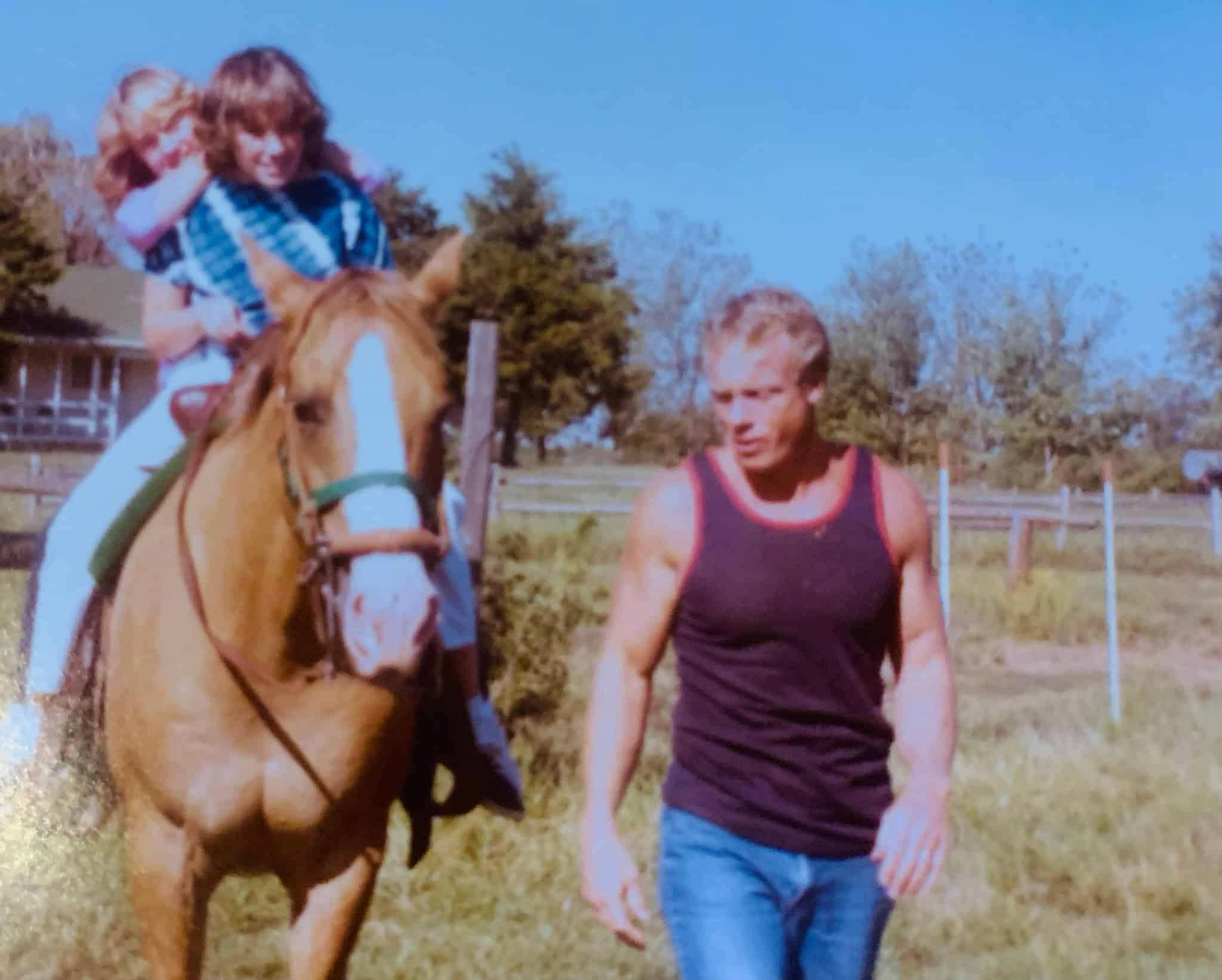
Family Album
Her father
The Marine
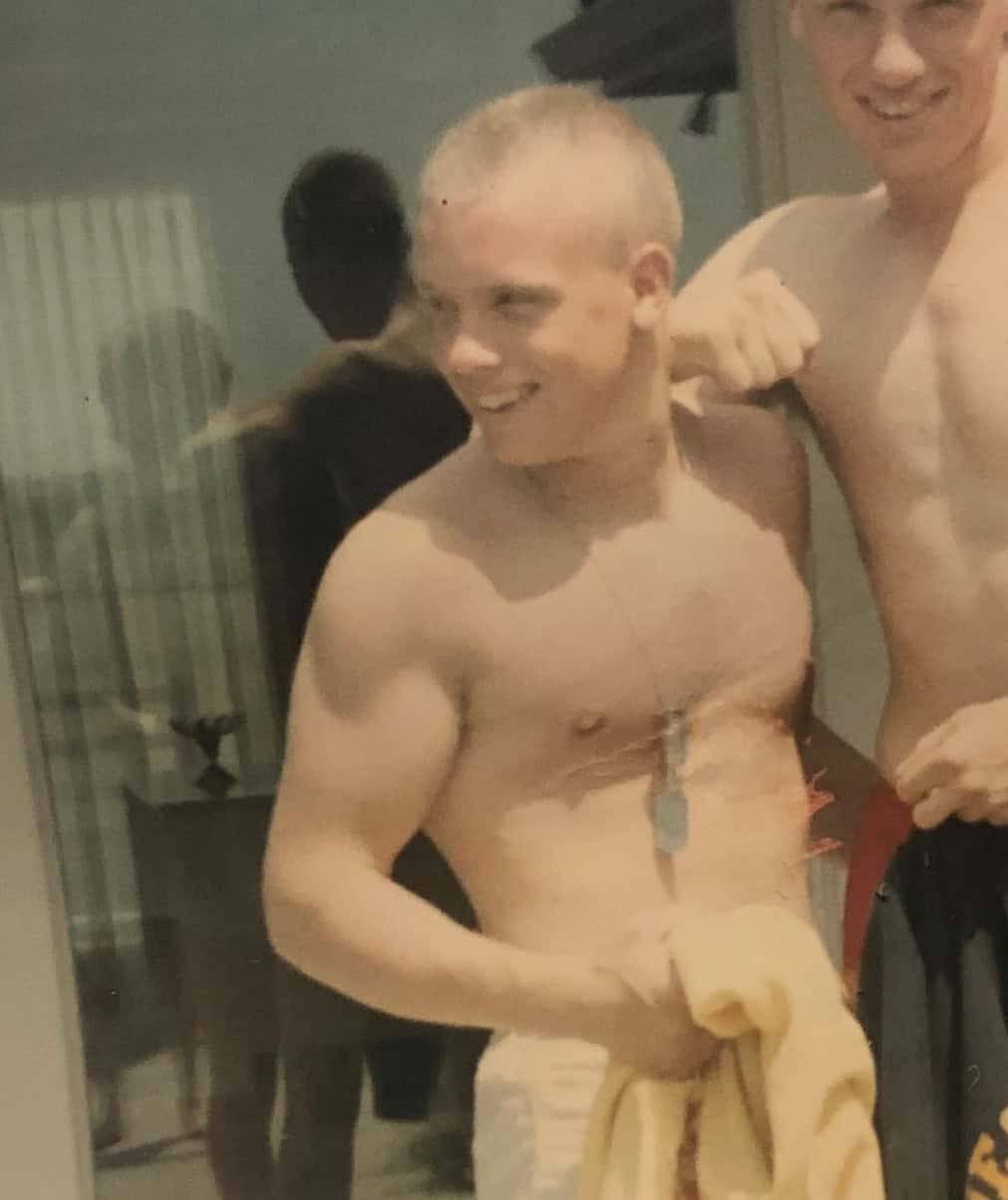
Christy’s father was a Marine who had served in combat. He carried that service with him for the rest of his life, and, for decades, he carried it largely alone. Post-traumatic stress, obsessive-compulsive disorder, and eventually paranoid schizophrenia went underdiagnosed and undertreated for years, even as he took on the daily reality of a household with two people who needed round-the-clock care.
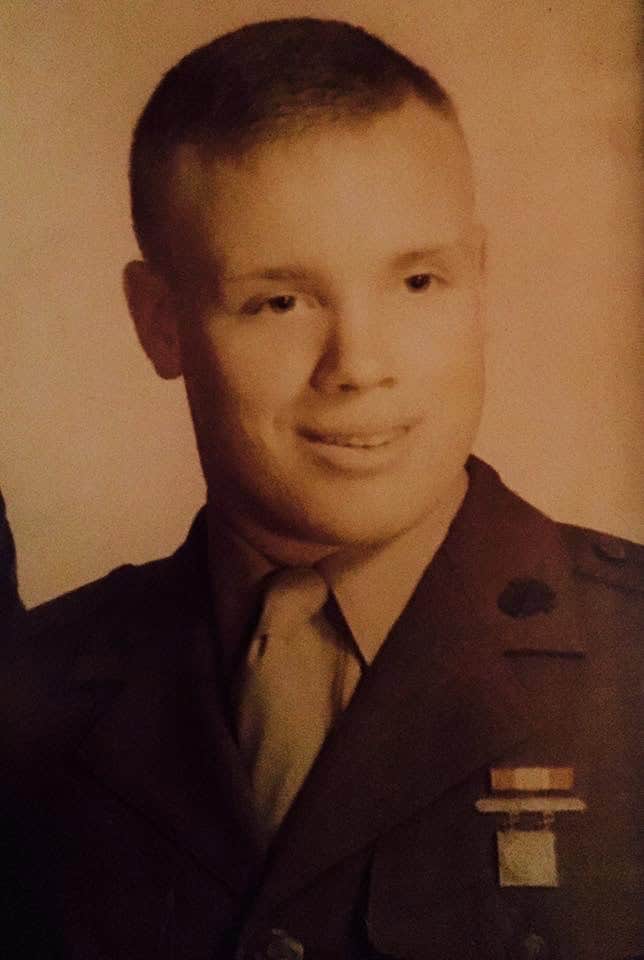
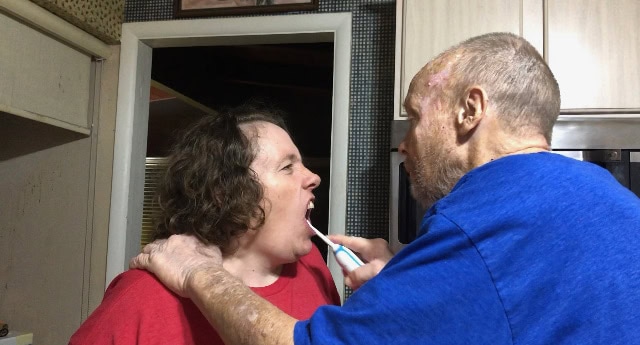
For years, he was one of the people doing the caregiving, not just needing it. He helped with Kathy’s routines — the ordinary, unglamorous mechanics of getting through a morning — the same work that would eventually fall to Christy alone.
What it cost him
When His Own Health Collapsed
Two decades of undiagnosed mental illness, combined with the sheer exhaustion of caregiving, pulled Christy’s father into a punishing cycle of self-medication. He was prescribed opioid painkillers through the VA system for years (a pattern familiar to many veteran families) and it eventually cost him his life to a Tramadol overdose.
His death didn’t come with room to grieve. Someone had to keep caring for Christy’s mother and her sister, starting immediately, and there was no one else in line to do it.
After
Everything Fell to Her
With her father gone, the full weight of her mother’s care — feeding, bathing, physical transfers, the constant watchfulness advanced MS requires — became Christy’s alone. So did her sister’s: bathing, dressing, transportation, shopping, cooking, safety, every hour of every day. Christy moved out of her own home and in with her mother and sister so she could manage it directly.
At the same time, she was a full-time high school teacher, a coach, a wife, and a mother to three daughters of her own — daughters whose own childhoods were now being shaped by their grandmother’s and aunt’s needs, the same way Christy’s had been.
Her sister
Kathy
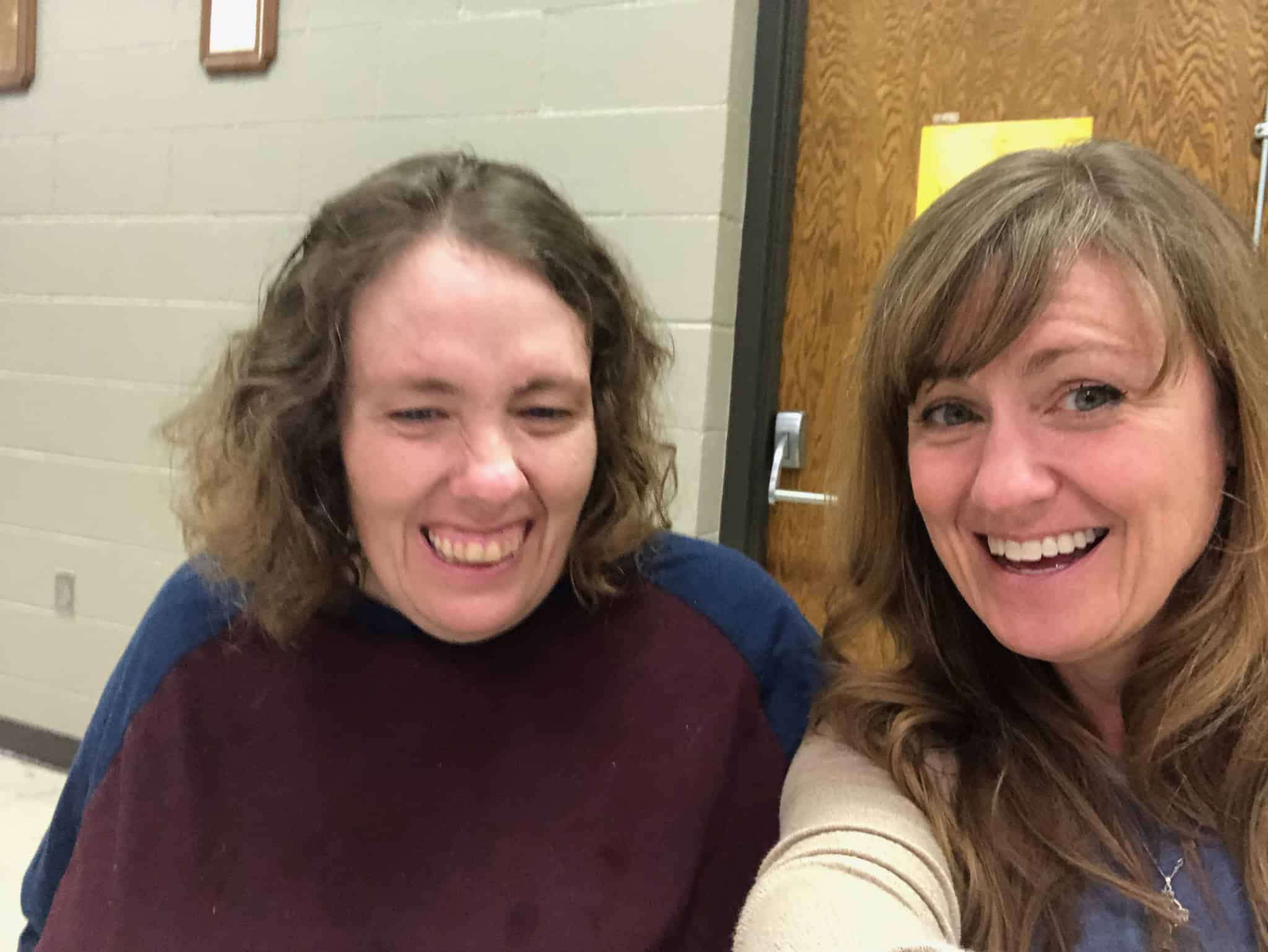
Kathy is non-verbal and experiences self-injurious behavior during moments of distress. Caring for her means constant vigilance layered on top of the physical demands of total daily care — there is no version of the day where she isn’t someone’s full responsibility.
After roughly a year of trying to manage both her mother’s and Kathy’s needs under one roof, Christy made another difficult call: she moved Kathy into her own home, to live alongside her husband and daughters full-time. It reshaped her household’s daily rhythm again, but it meant Kathy stayed in the care of family rather than an institution — and it meant Christy’s own daughters grew up alongside their aunt, much the way Christy once did.
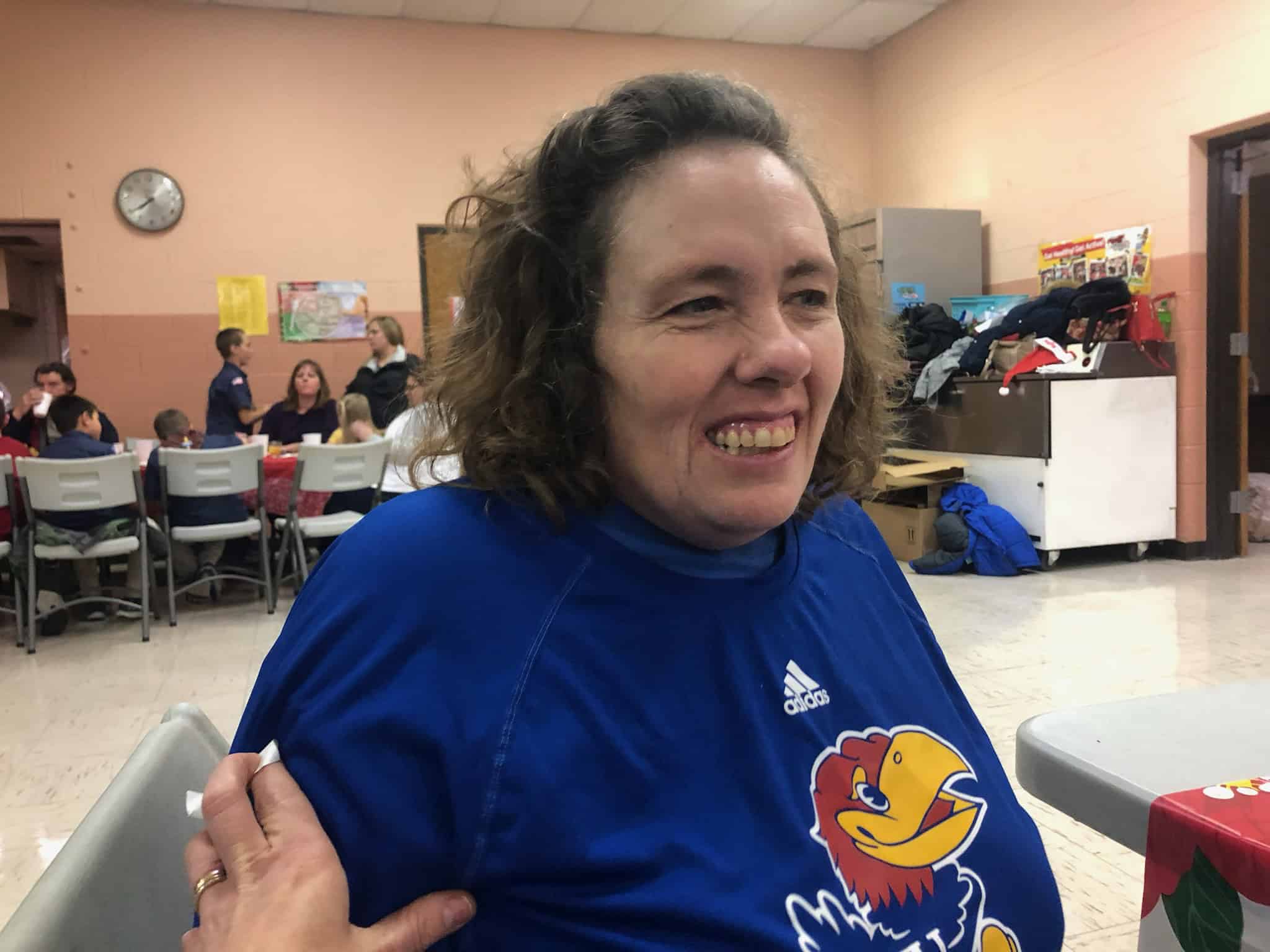
Her mother
Placing Her Mother
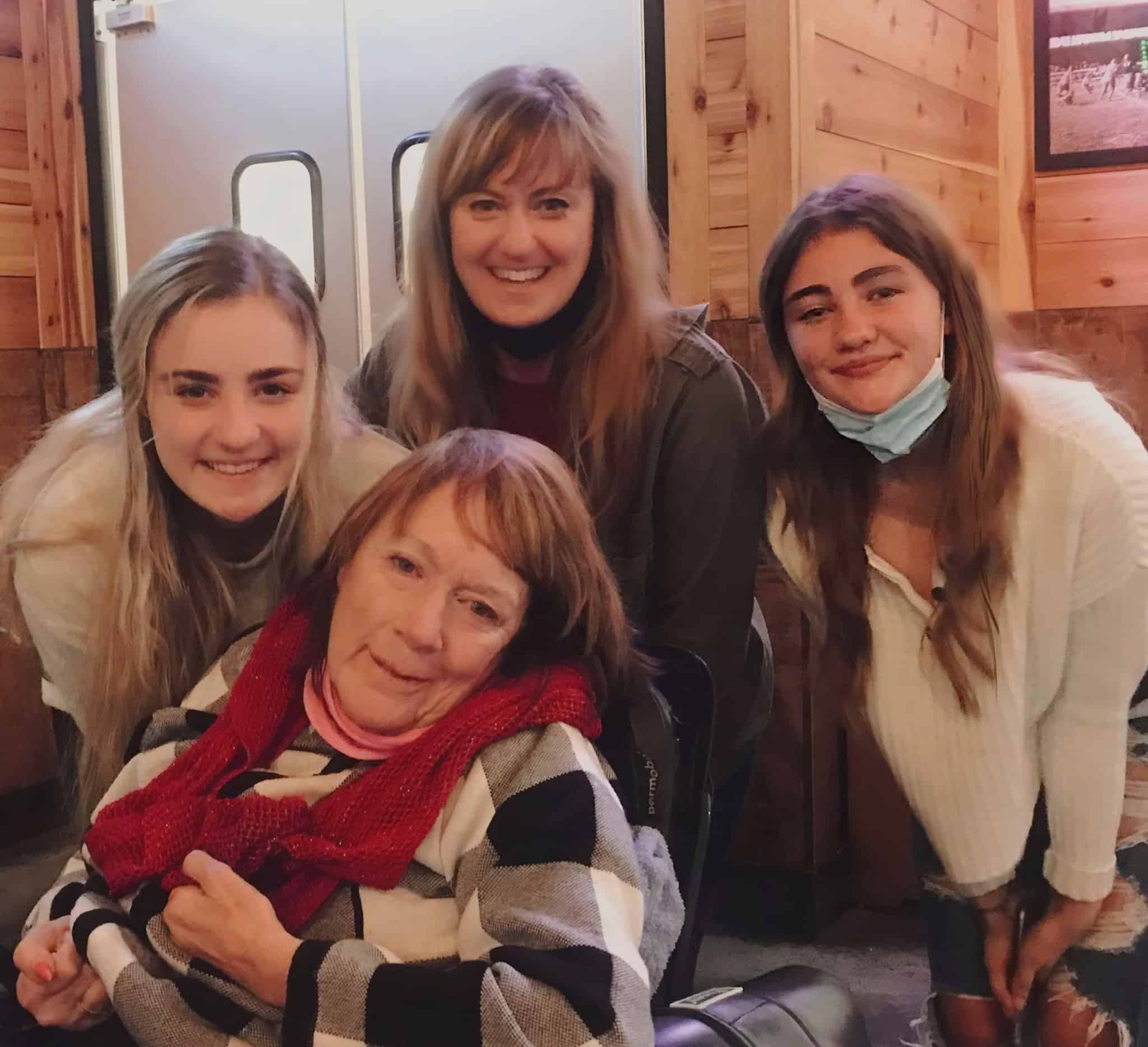
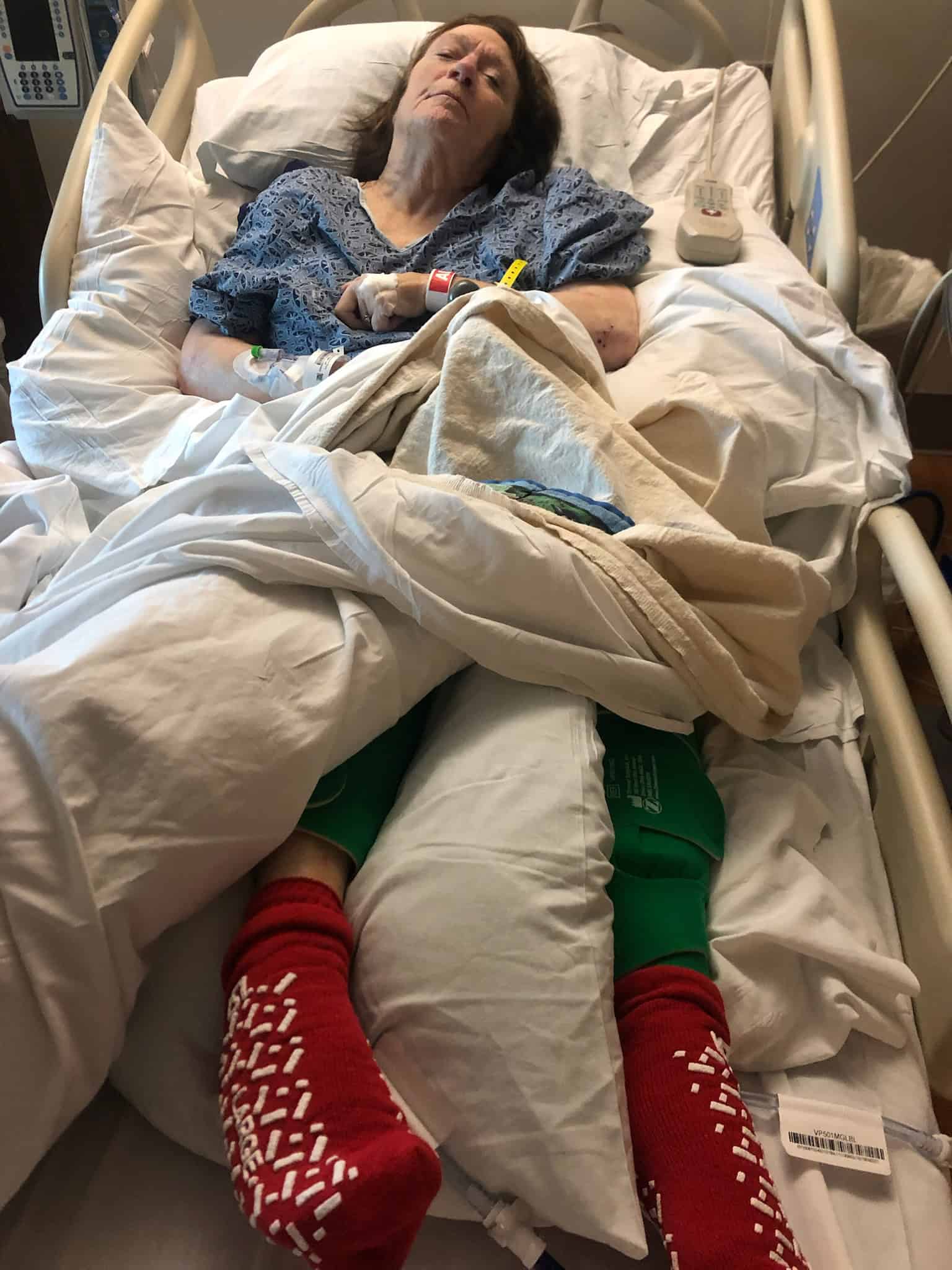
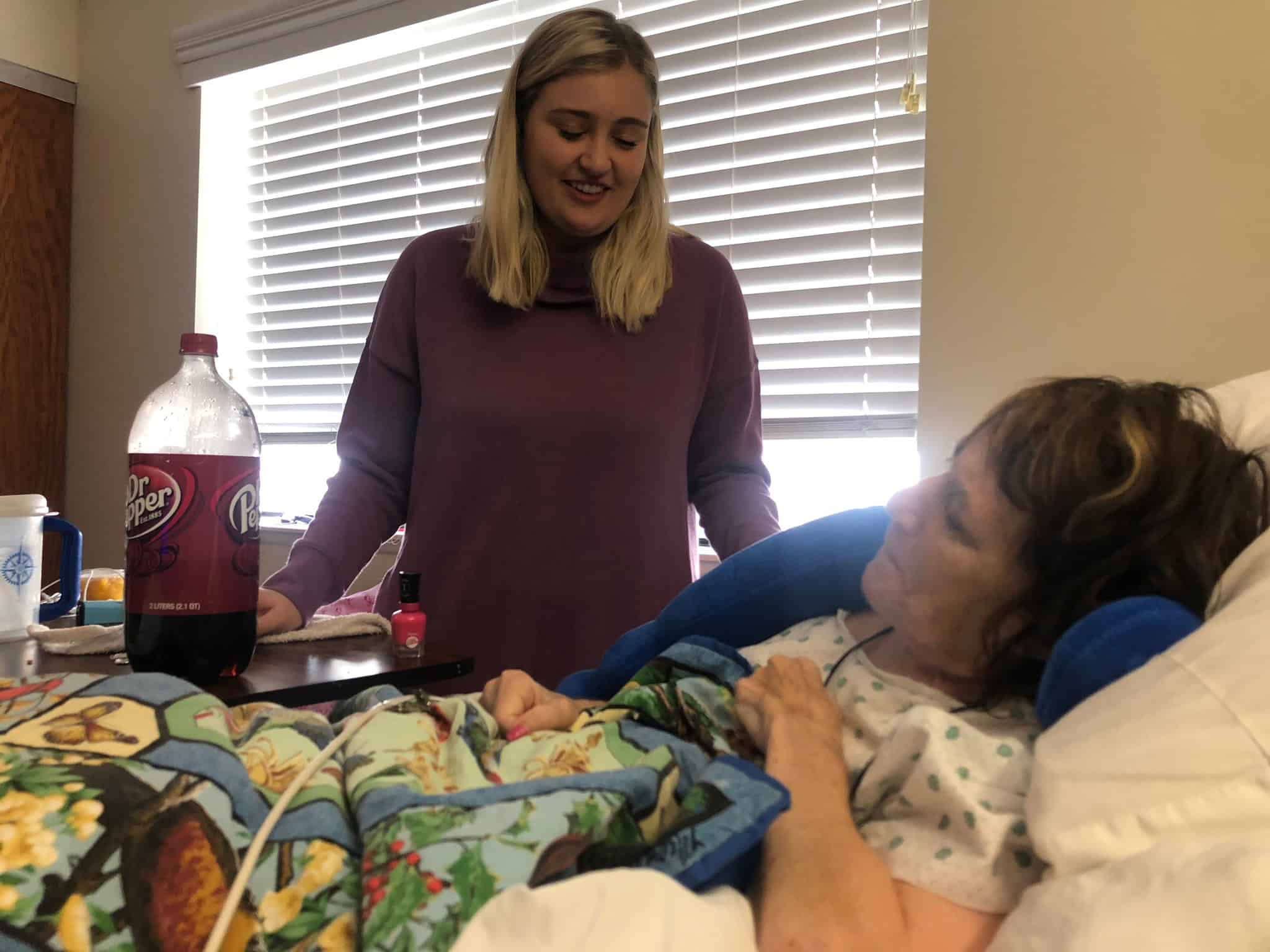
Eventually, her mother’s care needs outgrew what any one household could safely provide. Christy describes the decision to move her mother into a nursing facility as one of the hardest of her life. It didn’t end her role as her mother’s advocate — she has continued to watch closely over her mother’s care through hospital stays and setbacks, showing up the way she always has.
Today
Still Standing
Christy is still teaching. She’s still coaching — two state championships and counting. She’s still raising three daughters, and still, every day, showing up for her mother and her sister. She talks about the work with equal parts humor and exhaustion: the logistics of it, the toll of it, the questions of identity that come with a lifetime spent needed by other people.
Her advice to anyone facing a similar road is practical, not sentimental: plan ahead, understand the legal and financial systems before a crisis forces you to learn them, and build a support system before you think you’ll need one. The caregiving doesn’t stop being real just because no one else can see it.
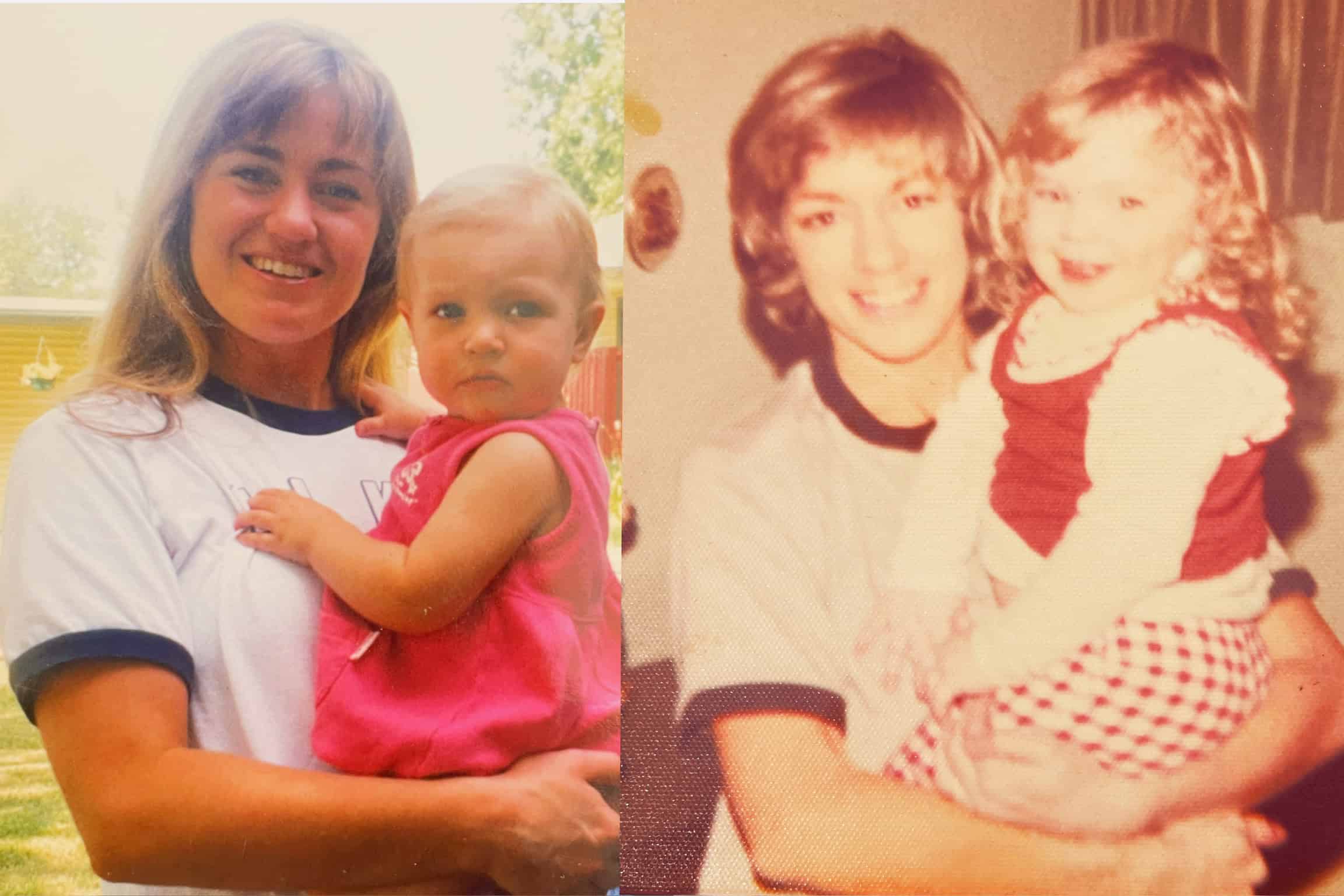
Watch Christy tell the rest of her story, in her own words, in the video above.


































This was beautiful Admin. Thank you for your reflections.
I just like the helpful information you provide in your articles