Celebrate National Wellness Month with Stories Well Worth Watching
A curated collection of public media films and resources celebrating National Wellness Month.
Brought to you by

Wellness is not a destination or a product. It is the ongoing, daily work of caring for yourself and the people around you — and it looks different for everyone depending on where they live, what they have access to, and what they’re carrying.
August is National Wellness Month, and Well Beings is marking it with a curated collection of public media films, documentaries, and series that take wellness seriously in all its dimensions: mental health, physical health, caregiving, nutrition, community connection, and the natural world. These are not feel-good abstractions. They are real stories about real people navigating the full complexity of staying well in a world that doesn’t always make that easy.
Taken together, they reflect what Well Beings has always believed: that personal well-being and community health are not separate concerns. The systems, relationships, and environments we share shape individual outcomes in ways that self-care alone cannot address. Understanding that connection is where meaningful wellness begins.
And there is more coming. Well Beings has two original productions in development that belong in this collection. Climate Kitchen, hosted by Maggie Baird, explores how everyday food choices connect to bigger questions about health, sustainability, and the food systems we all depend on. And Defeating Dementia follows the researchers and families living on the front lines of one of the most urgent neurological challenges of our time. Stay tuned.
Wellness Month Videos
Our Turn to Talk is a digital-first documentary about the mission to end stigma around mental health challenges, starting with the next generation. In this character-driven film, we go behind the scenes of a podcast production bringing together teens from all walks of life to use storytelling to bravely share their mental health journey without fear, shame or stigma.
Join these youths as they step into their voice and learn to create space to share the impact on their mental health of social media, sexual identity, gender identity, racism, and the pandemic.
Hiding in Plain Sight
Longtime WETA production partner Ken Burns is the executive producer of a major new public television documentary, Hiding in Plain Sight: Youth Mental Illness. The film, which premiered in June 2022, gives voice to the experiences of young people who struggle with mental health challenges and focuses on the importance of awareness and empathy.
The Storm, the first two-hour episode of Hiding in Plain Sight, focuses on more than twenty young people who provide an intimate look at what it’s like to experience the symptoms of mental illness, from depression to addiction to suicide ideation. The film includes insights from families, providers, and advocates and explores the impact of childhood trauma, stigma, and social media.
Out of the Dark
How do you fight an enemy you can’t see? These are the stories of three young people who faced the greatest mental health challenge of their lives and found strength they never knew they had.
The three-part Out of the Dark docuseries showcases the personal stories of three of the most influential youth activists in the mental health space — Olympic athlete Raven Saunders, App Creator Hannah Lucas, and poet AKeem Rollins —how they faced depression, anxiety, and suicidal ideation and found strength they never knew they had. Each episode takes an in-depth look at the struggles they overcame, the impact of their work, and their continued mental health journeys.
Caregiving
This collection of Caregiving videos examines caregiving from multiple perspectives: the creation and evolution of the care system; the social dynamics that shape our approach to caregiving today and the future possibilities; the lives of caregivers and their relationships with those in their care; the interpersonal and economic pressures faced by caregivers; and the broader societal context in which caregiving operates on the margins, yet affects everyone.
Remote Chance: Health Care in Rural America
To raise awareness, educate, reduce stigma, and change the national conversation, “Remote Chance: Rural Health Care in America” shares a portrait of the disparities in rural and frontier regions of the United States in care and mental health. From lack of services to isolation and ethnic inequities, the series presents facts and figures and short, digital-first films by award-winning filmmaker Elizabeth Arledge to shine a light on this crisis.
Kids in Crisis: You’re Not Alone
The documentary follows four young people from Wisconsin navigating mental health challenges. They’ve endured assault, bullying, incarceration, and discrimination. Some thought about suicide. But through the pain, they found support from family, friends, and strangers. They found the strength within themselves. They’re sharing their stories to let others know they’re not alone and that healing is possible.
Critical Condition: Health in Black America | Full Documentary
Black Americans are nearly twice as likely to suffer from chronic diseases than Whites. Why? From false beliefs that permeate modern medicine to life experiences that can damage human cells, uncover the underlying causes of racial health disparities.
Cracking the Code: Phil Sharp and the Biotech Revolution | Full Documentary
A groundbreaking look at Phil Sharp’s rise from being a rural Kentucky farm boy who battled dyslexia to Nobel Prize-winning scientist. Narrated by Mark Ruffalo with insights from Walter Isaacson, Cracking the Code: Phil Sharp and the Biotech Revolution reveals how Sharp’s RNA discovery transformed biology and launched the biotechnology revolution leading to life-saving treatments for millions.
Facing Suicide
Facing Suicide combines the poignant personal stories of people impacted by suicide with profiles of scientists at the forefront of research to reveal new insights into one of America’s most pressing mental health crises. The documentary shines a light on this difficult topic can destigmatize suicide while revealing that there is help as well as hope for those at risk and their loved ones.
Your Brain: Perception Deception | Full Documentary | NOVA | PBS
Neuroscientists discover the tricks and shortcuts the brain takes to help us survive.
Is what you see real? Join neuroscientist Heather Berlin on a quest to understand how your brain shapes your reality, and why you can’t always trust what you perceive. In the first hour of this two-part series, learn what the latest research shows about how your brain processes and shapes the world around you, and discover the surprising tricks and shortcuts your brain takes to help you survive.
Your Brain: Who’s in Control? | Full Documentary | NOVA | PBS
Dive into the subconscious to see what’s really driving the decisions you make.
Are you in control, or is your brain controlling you? Dive into the latest research on the subconscious with neuroscientist Heather Berlin. Sleepwalking, anesthesia, game theory, and more reveal surprising insights in this eye-opening journey to discover what’s really driving the decisions you make.
Interview: Good Anxiety, Exercise, and Connection on the Brain | Particles of Thought
Wendy Suzuki hopes you have anxiety—good anxiety. She thinks that feeling you try to avoid could actually be your edge! Wendy joins Hakeem to explore how anxiety can be harnessed, rather than eliminated, and how it connects to two other powerful forces shaping your brain: exercise and human connection. What’s happening in that surge of stress—or in the “neurochemical bubble bath” after a hard run? Can you really train your brain to use it differently? And what do oxytocin, prairie voles, and decades of research reveal about why social bonds may be the most powerful force shaping our health, happiness, and longevity.
Body and Brain | NOVA | PBS
From psychedelics as medicine to the science behind Ozempic and extreme heat, discover NOVA’s top videos on health, diseases and more!
Environmental Wellness Toolkit | NIH
7 Strategies for Improving Your Environmental Health
What surrounds you each day in your home, work, or neighborhood and the resources available to you can affect your health. You can’t always choose what’s in the environments you live, work, or play in. But taking small steps to make your environments safer and limiting your exposure to potentially harmful substances can help keep you healthier.
Flip each card in this toolkit for checklists on how to improve your health across different areas, click on the images to read featured articles, or download printable guides to share.
Create a Healthier Home
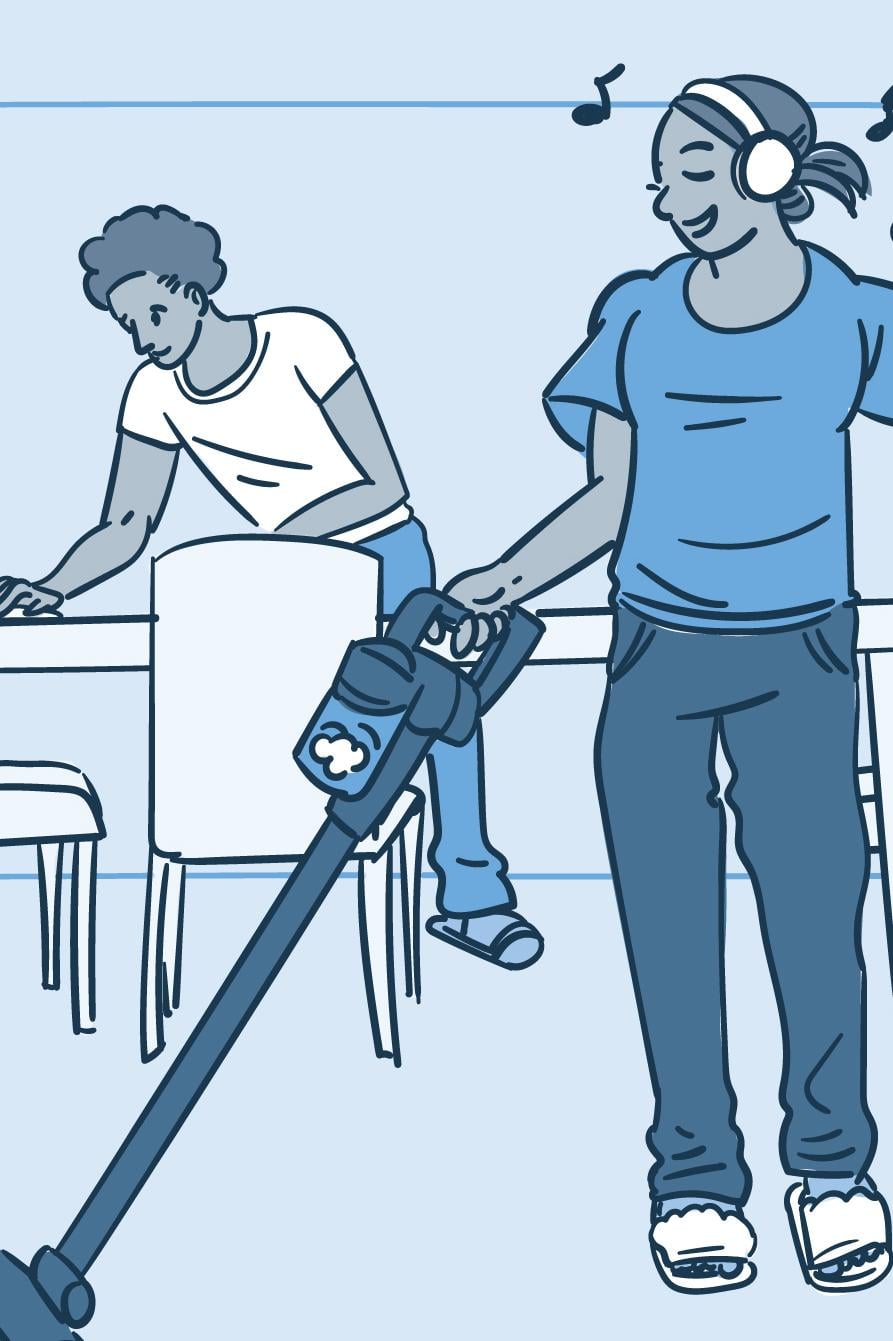
Take a look around your home. Do you know what’s in your household goods and products? Some chemicals can harm your health if too much gets into your body. Becoming aware of potentially harmful substances and clearing them out can help keep you and your family healthy.
Hover / Tap to Flip ↻To reduce potential toxins in your home:
- Cut down on dust. Vacuum regularly using a HEPA filter, if possible. Wet-mop floors and wipe surfaces with a damp cloth.
- Take off your shoes. Leave shoes at the door to avoid tracking pesticides, dirt, and other pollutants into the house.
- Prevent mold. Fix leaks, dry wet areas quickly, improve airflow, and clean mold.
- Improve indoor air. Open windows when possible to bring in fresh air. Use kitchen and bathroom exhaust fans.
- Choose products with fewer added chemicals. Look for fragrance-free soaps, cleaners, and personal care products. Try to avoid stain-resistant or nonstick products.
- Check your drinking water. If you use a private well, have water tested regularly. Use a certified filter if needed.
- Practice healthy habits. Balanced eating and regular physical activity support overall health against exposures.
Reduce Your Allergies
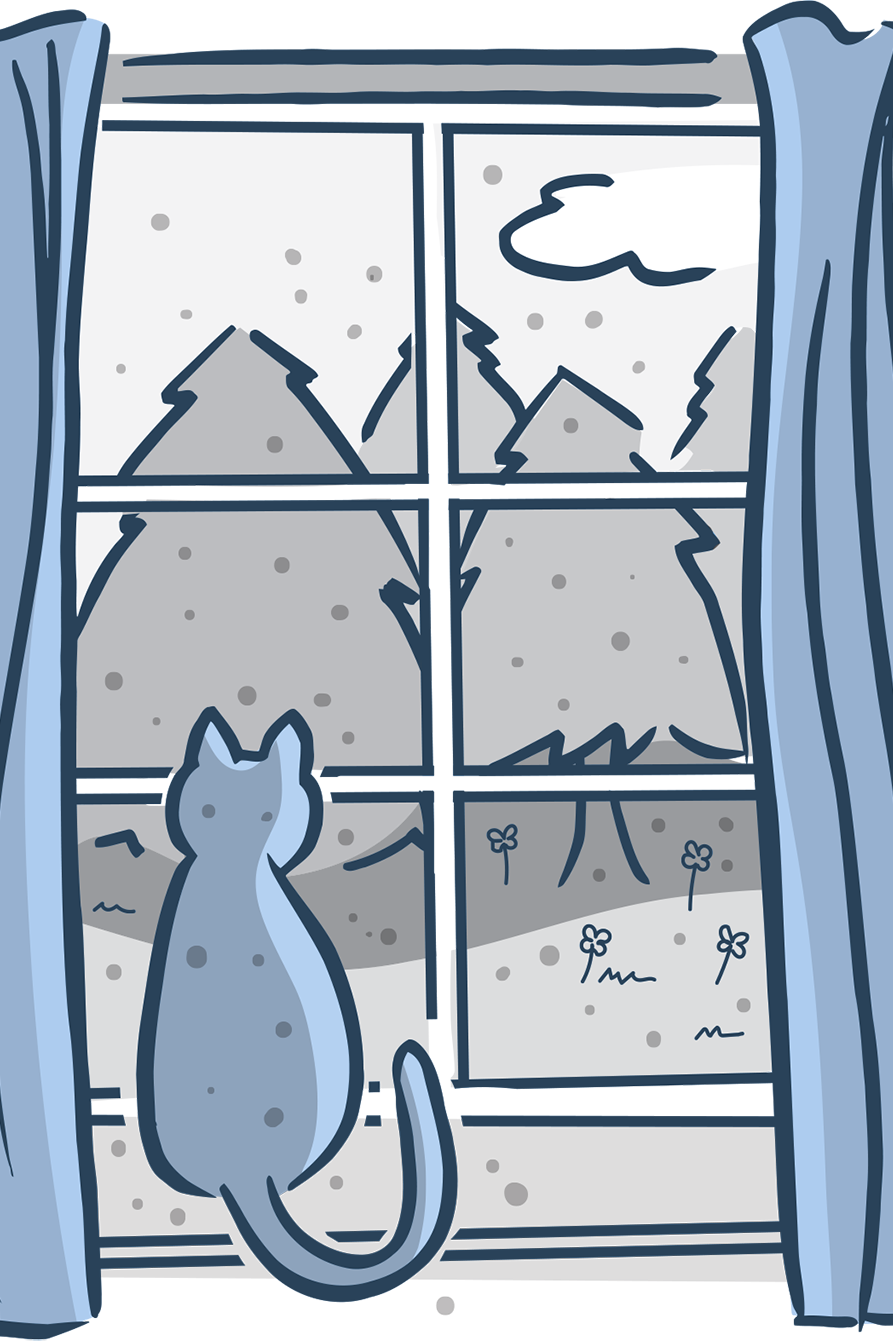
A change in season can brighten your days with vibrant colors, but blooming flowers and falling leaves bring airborne substances that irritate your nose. Take steps to reduce your exposure to allergens.
Hover / Tap to Flip ↻To reduce allergies:
- Avoid outdoor allergens whenever possible. Stay inside with windows closed and use AC when pollen counts are high.
- Avoid bringing pollen indoors. Wash hair and clothing after being outside. Clean pets when they enter.
- Reduce indoor allergens by keeping humidity levels low to control dust mites and mold.
- Avoid upholstered furniture and carpets because they harbor allergens.
- Wash your bedding in hot water once a week.
- Vacuum the floors once a week.
- Talk with your doctor about medications and allergy shots.
Stay Safe During Hot Weather
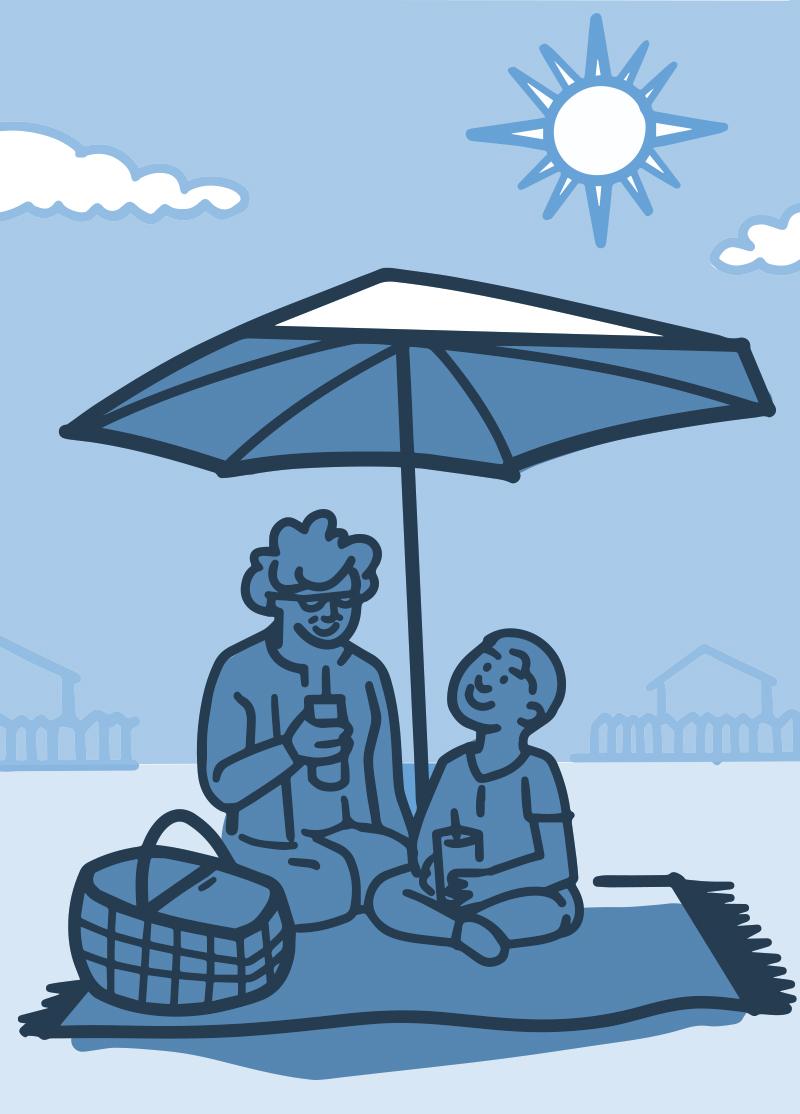
Heat is the biggest danger in the summer months. Being hot for too long can cause many illnesses, some of which can be deadly. Here’s how to make the most of the summer months safely.
Hover / Tap to Flip ↻To create healthy summer habits:
- Do outdoor activities during the coolest part of the day, in the early morning or evening.
- Wear protective clothing, such as hats, long-sleeve shirts, and long pants or skirts to block sun rays.
- Use sunscreen that blocks both UVA and UVB with an SPF of at least 15 (preferably 30). Reapply frequently.
- Use sunglasses that block both UVA and UVB.
- Try to stay in the shade when outdoors during peak sunlight.
- Exercise in an air-conditioned space or do water workouts.
- Drink plenty of liquids, especially water. Avoid drinks containing alcohol or caffeine.
Guard Against Cold Weather
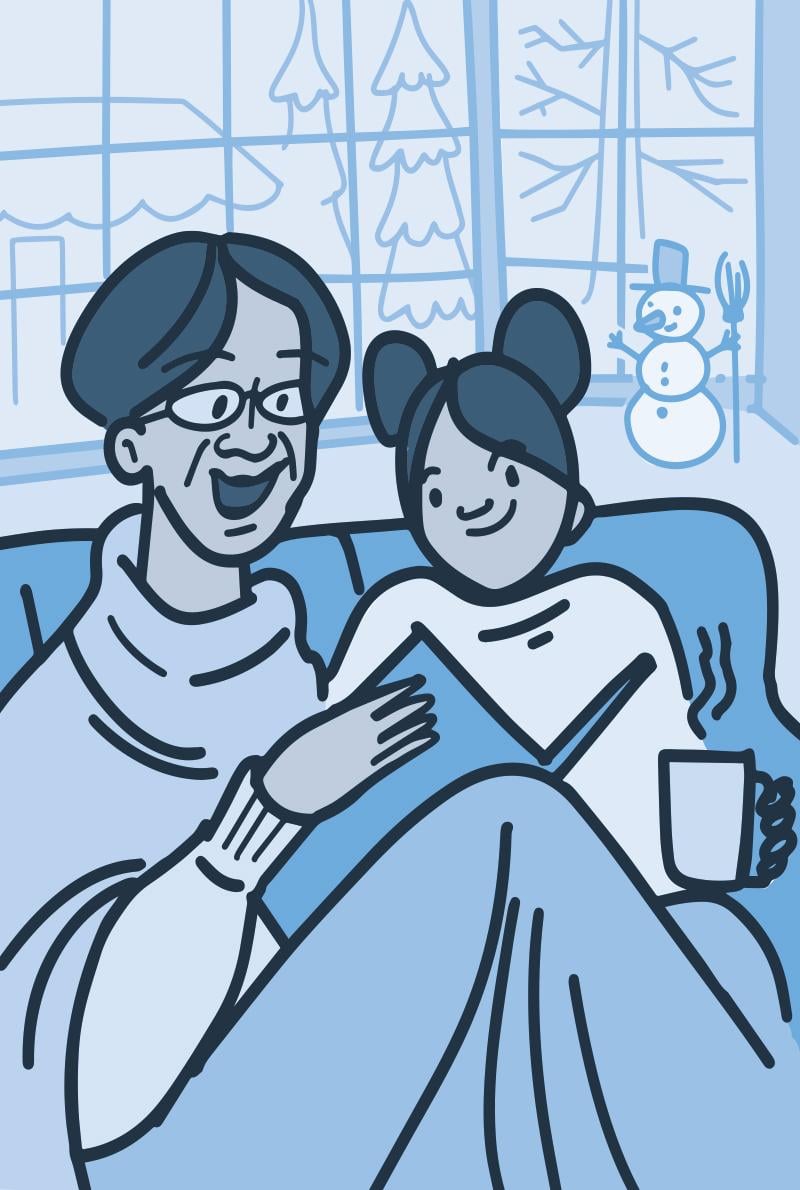
The frosty air of winter can be invigorating, but cold air can pose threats to your health indoors or outside. Learn to recognize signs of hypothermia and keep your family safe.
Hover / Tap to Flip ↻To guard against the cold:
- At home, wear socks, slippers, and a hat, or stay covered up with a blanket.
- Keep your heat set to at least 68°F or higher during cold weather.
- Wear a windproof and waterproof jacket if heading into cold, rainy, windy, or snowy conditions. Dress in layers.
- Act fast for hypothermia: Move to a warm room, remove wet clothing, warm gradually with blankets and warm non-alcoholic drinks. Avoid hot baths or heating pads. Get immediate medical help if temperature drops below 95°F.
Air Quality and Your Health
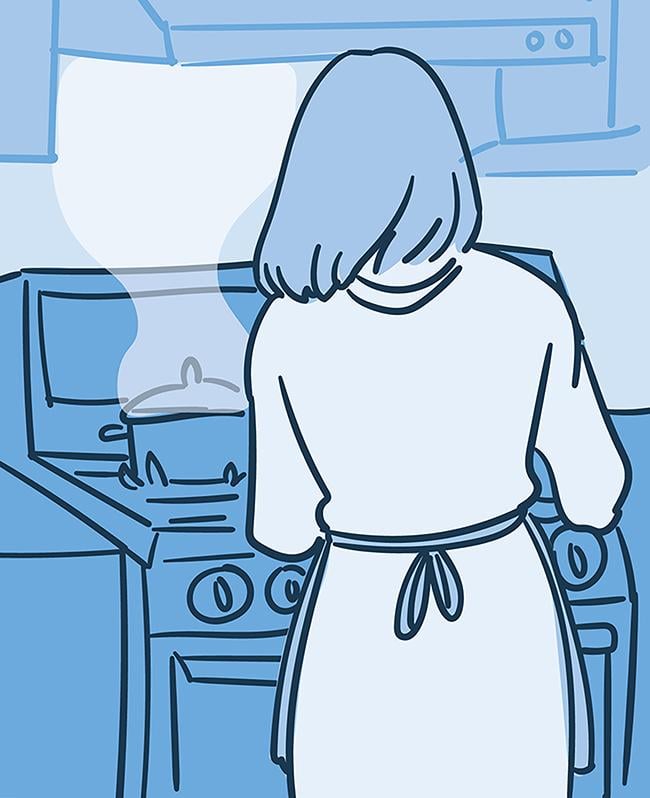
High temperatures, pollution, and airborne particles can make it hard to breathe and sap energy. Air pollution also occurs inside homes, offices, and schools. Protect your lungs long-term.
Hover / Tap to Flip ↻To limit air pollution exposure:
- Check daily air quality forecasts at AirNow.gov.
- Limit outdoor activity when pollution levels are high.
- Keep windows closed during wildfire smoke events and poor air quality days.
- Use exhaust fans when cooking, especially with gas stoves.
- Change HVAC filters about every three months.
- Ventilate your home when outdoor air quality is good.
- Avoid indoor smoking and secondhand smoke.
- Consider portable HEPA air cleaners for rooms with higher pollution sources.
- Ask your doctor how air pollution at home, school, or work affects your health.
Stay Safe in the Water
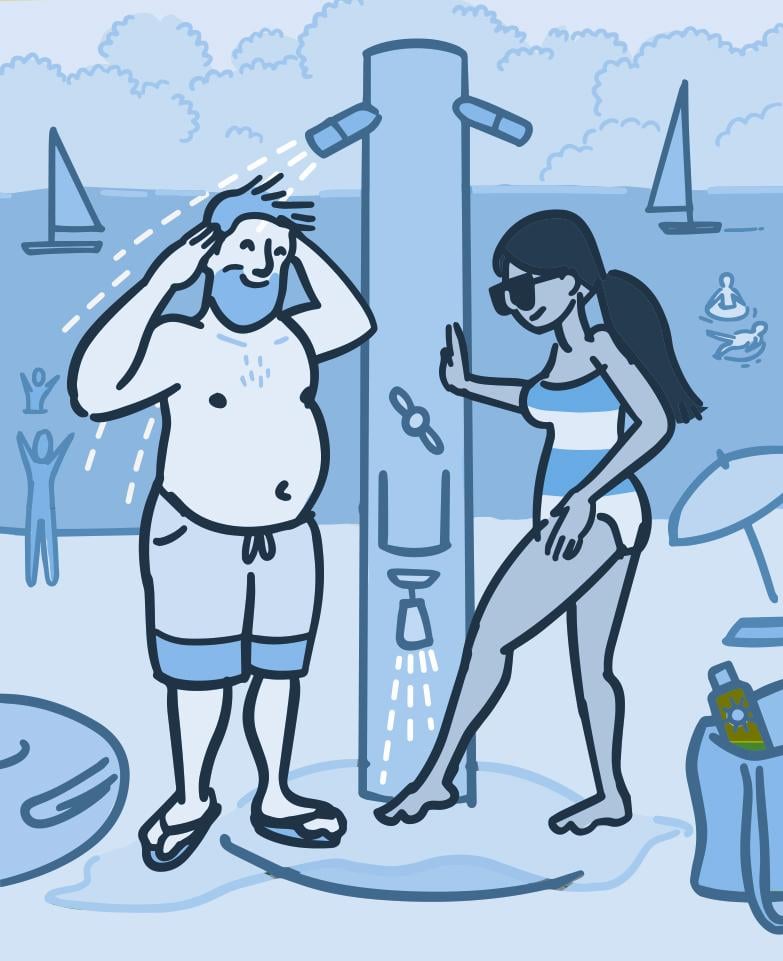
Recreational waters like pools, lakes, and oceans can sometimes get contaminated with bacteria and viruses. Follow these steps to keep your family safer while playing in the water.
Hover / Tap to Flip ↻To stay safer while playing in the water:
- Shower before and after swimming.
- Try not to swallow the water.
- Never go to the bathroom in the water.
- Take kids for bathroom breaks and check diapers every hour.
- Change diapers away from the water.
- Stay out of the water if you’ve had diarrhea recently.
- Always wash your hands before you eat or drink.
- Cover open wounds with waterproof bandages.
- Don’t swim in water that looks murky or has an odor.
- Stay out of the ocean for at least 24 hours after a storm.
- Avoid places where storm water is released on the beach.
- Check for warning signs posted around the area.
- Ask lifeguards about the water conditions.
- Check local alert systems.
- Visit the EPA’s website for info on U.S. beaches.
Clear Out Toxins in Your Home
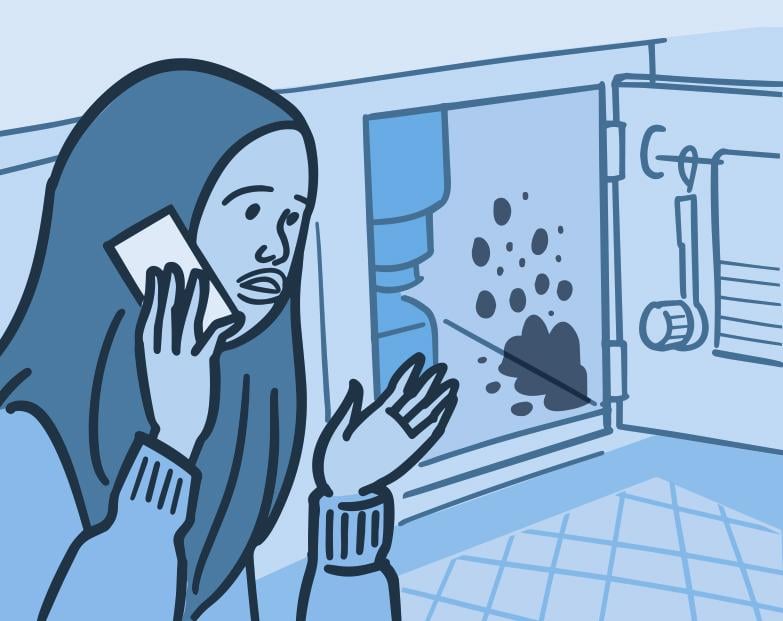
Some home hazards like loose sockets are visible, but invisible hazards like lead, mold, and radon lurk unseen. Learn how to find and fix these hidden health threats.
Hover / Tap to Flip ↻To reduce health hazards in your home:
- Test for lead: If your home was built before 1978, test exposed paint for lead.
- Test children: Have children tested for lead exposure regularly from birth through age six.
- Use vent fans: Run exhaust fans in moist areas like bathrooms to prevent mold.
- Clean up leaks quickly: Dispose of water-damaged items immediately after floods or leaks.
- Clean mold safely: Scrub small areas of mold with hot, soapy water while wearing a mask, gloves, and goggles.
- Test for radon: Contact National Radon Program Services at 1-800-SOS-RADON to obtain test kits.
Wellness Resources

MedlinePlus is an online health information resource for patients and their families and friends. It is a service of the National Library of Medicine (NLM), the world’s largest medical library, which is part of the National Institutes of Health (NIH).

MentalHealth.gov provides reliable, accessible information on mental health conditions, treatment options, and how to find support. It serves as a trusted starting point for individuals, families, and communities navigating mental health challenges.

National Institute on Minority Health and Health Disparities
NIMHD is dedicated to improving the health of racial and ethnic minority populations and other groups that experience disproportionate burdens of illness. NIMHD works to understand and address the social, environmental, and biological factors that shape health outcomes across communities.