series
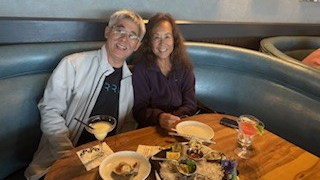
Submitted by Mark K via Well Beings Share Your Caregiving Story
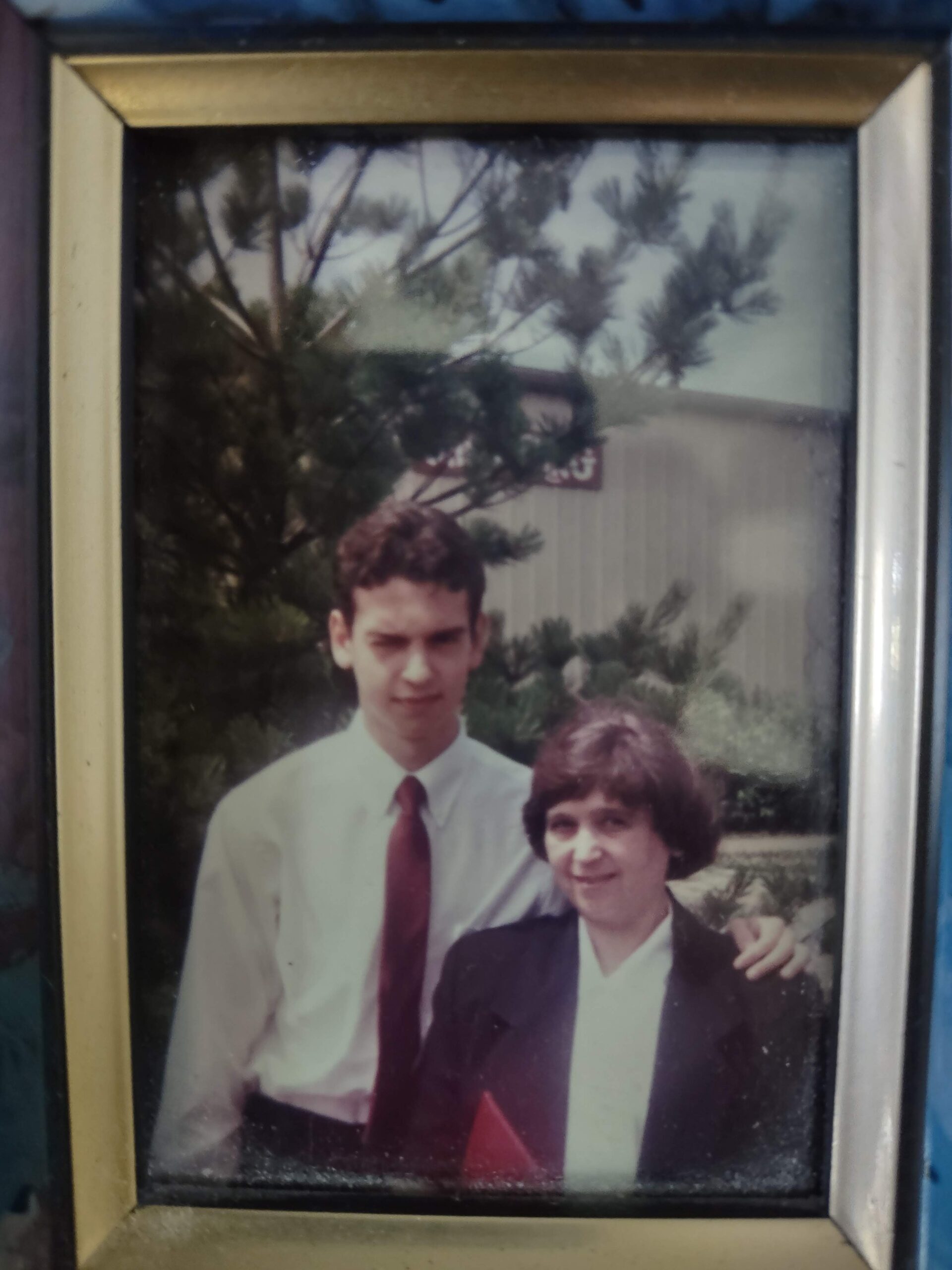
Click images to enlarge
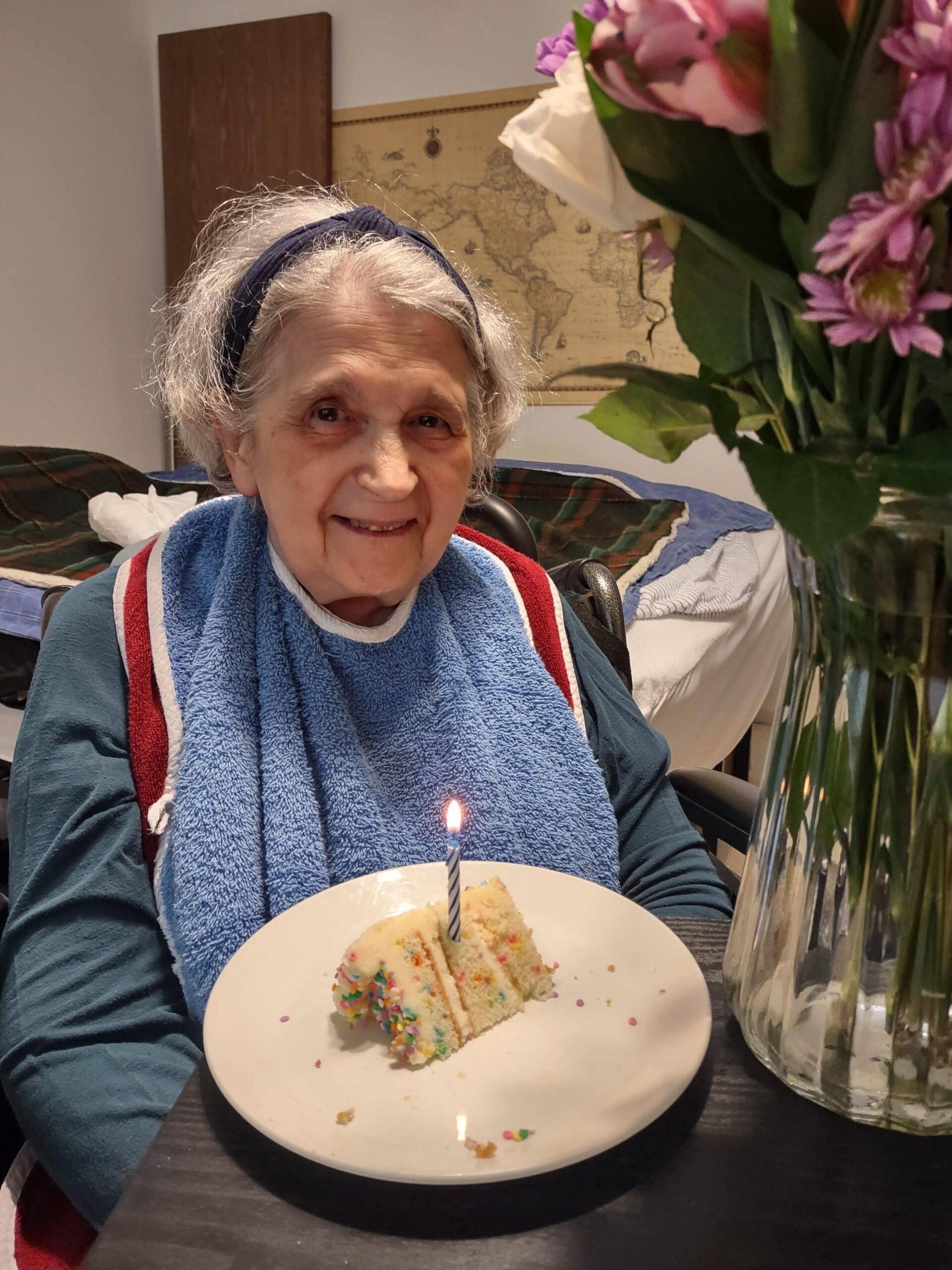
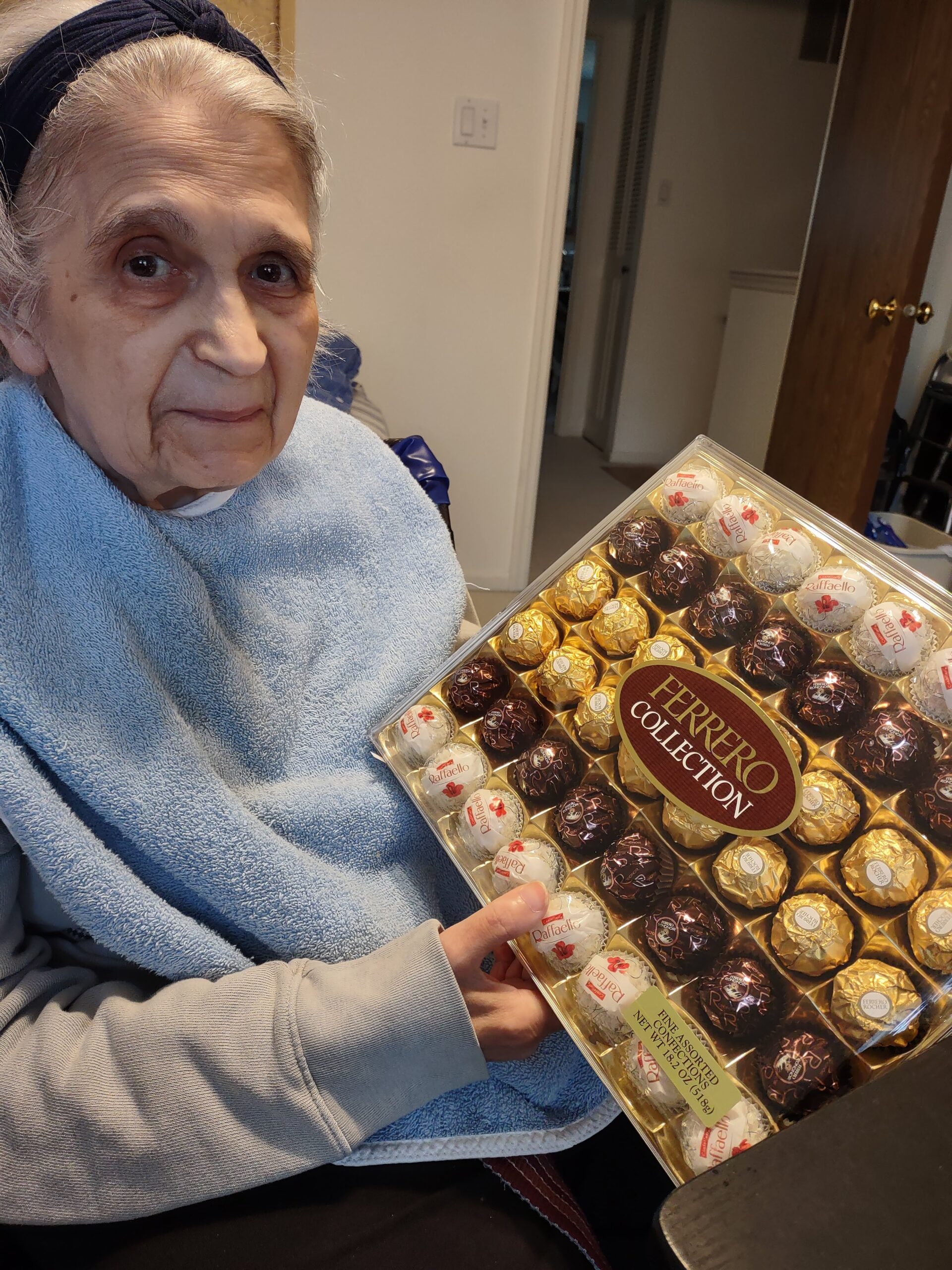
My name is Mark, and I’m a caregiver to my mother. She suffered a devastating series of strokes starting on July 24, 2019. She is completely disabled, unable to feed herself, walk, bathe, use the bathroom, or talk.
Before this happened, I lived in a large city with my long-term girlfriend, had a 6-figure job in finance technology, raced in regattas as crew on sailboats, spent time with friends and relatives, and traveled on vacations. That life ended in one phone call.
My parents lived in a smaller city 800 miles away, after the first stroke I followed my natural impulse and moved in with them to help. It was a crisis and problem-solving mode at first. There was hope she would recover and regain at least some capacity, with adaptive equipment and therapy. I continued working remotely and tried to still pursue some of my interests, like finding a nearby sailing group on MeetUp, but was only able to go out for a sail once.
After about a year or 18 months, it became clear that there would be no recovery. Life settled into a grinding daily routine of transfers, meals, toileting, and exercises. I became mentally exhausted and couldn’t continue working even with a lighter workload. Fortunately, my parents’ home had been paid off, and I had saved and invested enough to leave my job.
I enjoyed the documentary Caregiving. It helps to know that so many people are facing this hardship. There is a slight hope that, at some point, our society will recognize the need to help caregivers. However, I feel the documentary omitted several harsher aspects of the toll caregiving takes. I’ll mention just two.
The first is the damage to relationships that it inflicts. I’ve discovered that almost all family members and friends were uncomfortable maintaining contact. They seemed disturbed and put off by the situation. At first, they would say, “Let me know if you need anything”. That’s just an empty platitude since I could never ask them for the things that we really need; it’s simply not practically possible. Eventually, most contact just stopped. The result is tremendous, crushing isolation.
The second is the emotional toll on the caregivers themselves. The initial rush of anxiety-induced survival instinct wears off after a few months. After that, depression sets in. There is a feeling that somehow the situation is your fault, that you could have done something to prevent it. The guilt gives way to anger at what others didn’t do, especially my mother herself – if only she’d seen a doctor or led a healthier lifestyle. At my father for neglecting her. Anger at having lost so much life. The anger causes guilt again – I should be happy to do this for my family; many people have it much worse. I should be grateful for what I had, not angry at losing it. The guilt-anger-guilt cycle spirals out. My relationship with my father has been destroyed by it. I no longer speak to him, even though we live under the same roof and share some caregiving tasks.
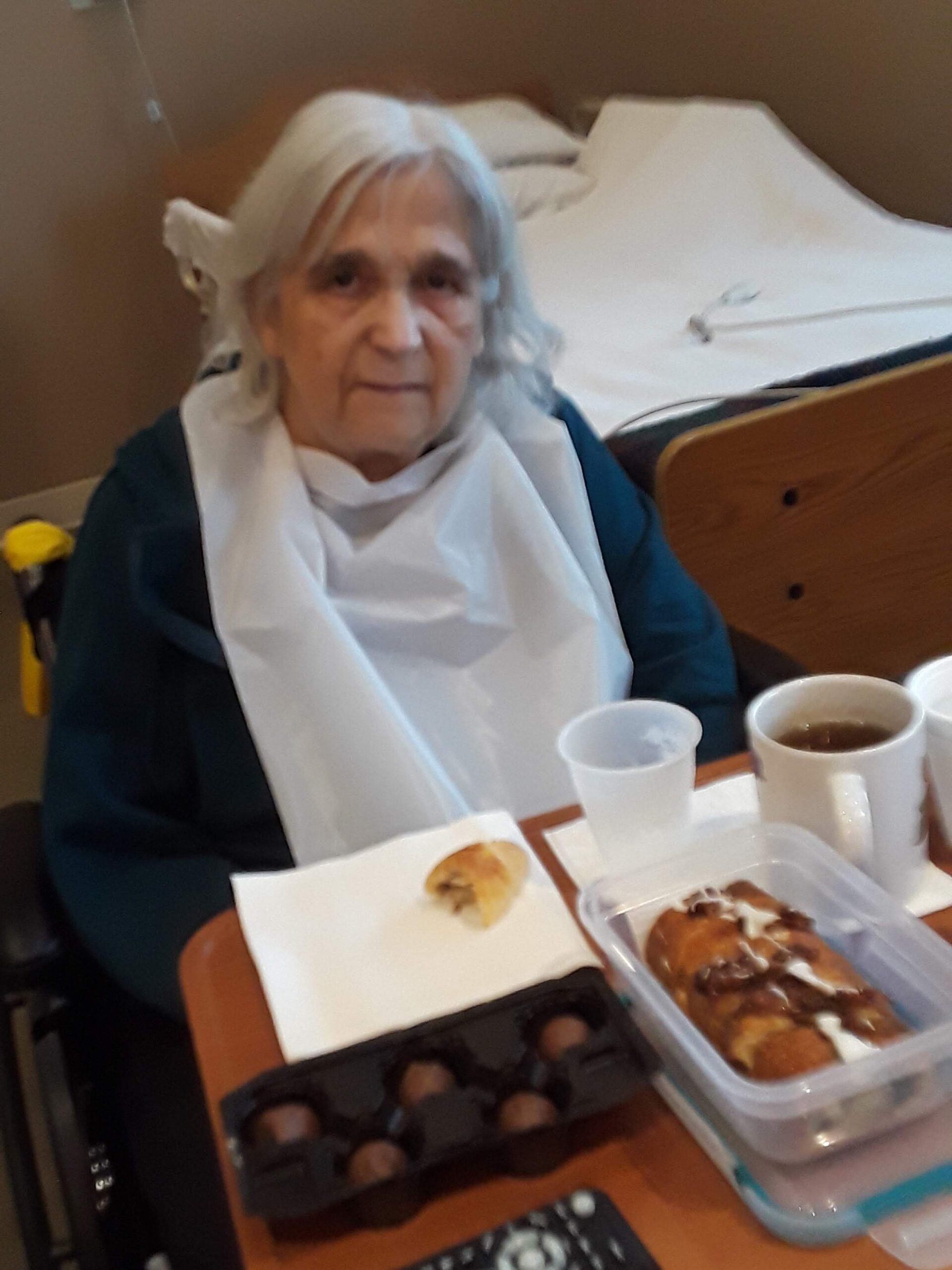
My mother is now in home hospice care. She is not swallowing food well and has lost a lot of weight. I don’t know how much longer she has and I don’t know whether I’m terrified of her dying or wishing for it so this would all be over.
Thank you for reading if you got this far. It was a relief to get this all off my chest.
Mark K.
Use #WellBeings and #ShareYourCaregivingStory on your social media posts to share your story.
Or DM your story to us on these social media platforms:
Send your story directly to us bit.ly/WellBeingsStoryWallSub.
Or Email us content to info@wellbeings.org.
series
Blog Post
Blog Post
Blog Post
Blog Post

Blog Post
Blog Post
WellBeings.org is a health and wellness resource, not a crisis or suicide response website. If you are in crisis, or experiencing thoughts of suicide, please call or text the 988 Suicide & Crisis Lifeline at 988 or the LGBT National Hotline at (888) 843-4564. The service is free and available 24 hours a day, seven days a week.